Countries are considering a global goal to raise electricity’s share of total energy use to around 35% by 2035 to speed up clean energy transition and reduce fossil fuel dependence.
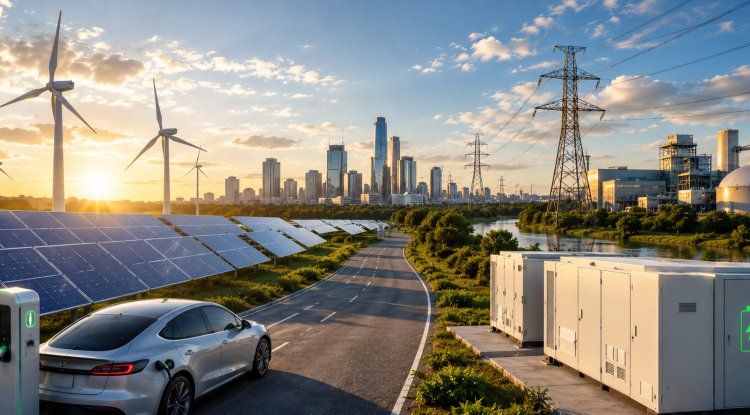
Countries around the world are currently discussing a new global energy target that could significantly increase the share of electricity in total energy use by 2035. The proposal suggests that electricity could make up nearly 35% of global final energy consumption, compared to around one-fifth today. This shift is being seen as a key step toward faster electrification and cleaner energy systems.
The idea is part of a broader global initiative aimed at cutting down greenhouse gas emissions while moving away from the reliance on fossil fuels such as coal, oil, and natural gas. Pressure has been mounting for governments to increase energy security, particularly following the recent disruptions in the fuel supply chains around the globe.
Electrification is one of the key components in such a transformation, which involves replacing the use of fossil fuels in those areas where there has been a tradition of their direct combustion with electricity. It can be achieved by means of electric transportation, the introduction of heating and cooling systems for homes, industrial activities, and even agriculture and construction to some degree.
Achieving such an objective would require a rapid increase in the generation of renewable energy sources like solar, wind, and hydroelectric energy. Moreover, there would be the urgent requirement of updating power grids, increasing capacity of battery systems, and promoting international trade of electricity to avoid disruptions in the power supply chain. Failure to achieve that could hamper electricity generation.
At the moment, the share of electricity consumption in the overall global consumption remains fairly small, compared to the majority of energy consumed from fossil fuels. The disparity between the two is what makes it clear why climate change specialists believe that it is insufficient to achieve electrification alone.
Discussions on this target are likely to be highly associated with future international climate talks, when nations are anticipated to assess their performance in achieving their goals regarding cutting down emissions and lay down fresh targets for the next ten years. Even though it will probably be a non-binding proposal, it may have implications for domestic energy policy decisions.
They also note that the benefits include reduced greenhouse gas emissions, cleaner urban air, and decreased reliance on foreign oil imports. In addition, industrial efficiency can be enhanced as well as the exposure to volatile fuel prices. Yet, the specialists indicate that this transition requires extensive investments, policies and proper planning, especially considering the risk of inequality among the economies at different levels of development.
Another challenge is ensuring that clean energy growth keeps pace with rising electricity demand. If electricity uses increases faster than renewable generation, there is a risk that fossil fuels could still dominate power production, limiting climate benefits.
Overall, the proposed 2035 target reflects a growing global shift in thinking: electricity is no longer just one part of the energy system, but is increasingly seen as the backbone of future clean energy transitions.
What's Your Reaction?