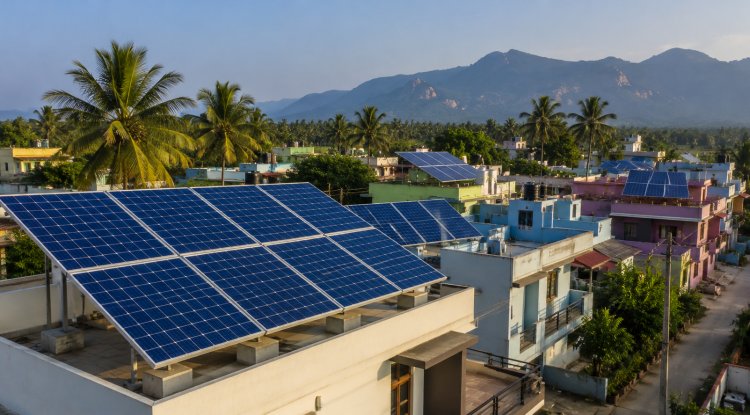
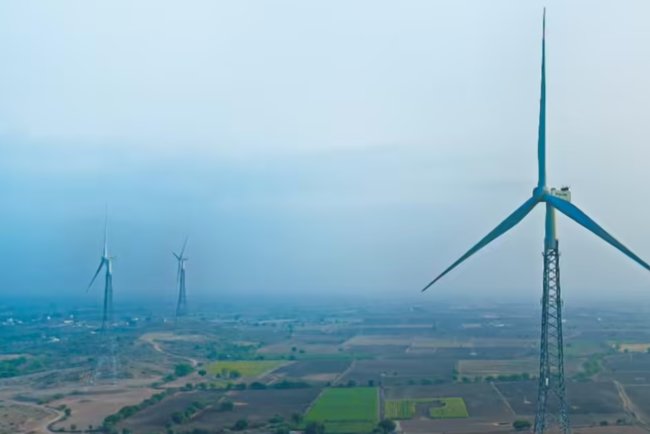
Global renewable energy capacity is forecast to increase from 4.1TW in 2025 to 8.4TW by 2031, led by solar power and continued investment, according to a GlobalData report.
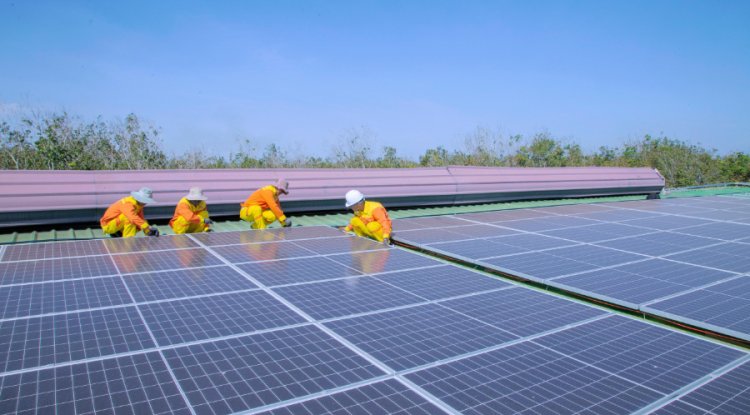
Global renewable energy installed capacity will grow from 4.1 terawatts (TW) in 2025 to 8.4 TW in 2031, reports GlobalData. Most of the growth will come from solar energy, the report adds.
According to the GlobalData study, the compound annual growth rate of renewable energy capacity will be about 13 percent between 2025 and 2031. The increase will be driven by decreasing cost of technologies and investments in renewables.
Asia-Pacific will continue to contribute most to new renewable energy capacity in the forecast period. China accounts for the majority of solar and wind energy installations globally owing to large-scale installations and manufacturing.
Photovoltaic is likely to be the fastest-growing type of renewable energy in the coming years. According to the study, the growth was facilitated by falling costs of equipment and increasing manufacturing and development activities. Wind energy will add substantial capacity but will lag behind solar power.
As stated by GlobalData, high levels of growth in demand for electricity, the energy transition agenda, and the need to lower fossil fuel dependency contribute to continued investment in renewable energy in several nations.
For instance, China is set to continue as the largest renewable energy market in the world through 2031. The country had approximately 1,550 gigawatts (GW) of solar PV installed capacity and nearly 700GW wind capacity at the close of 2025, as highlighted in the report.
However, the report highlights possible obstacles to deployment in the future. They include the electricity grid limitations, approval process delays, supply chain issues, and policy uncertainties in some regions. In the US, changes in policy and increases in the cost of projects can negatively impact the deployment of renewable energy projects.
Further investments in transmission infrastructure, grid modernization, and energy storage would be necessary to support any increased renewable energy generation. Without upgrading the electricity infrastructure to match new generation capacity, there might be insufficient capacity to meet future needs.
The report forecasts that global renewable energy capacity will continue to expand through 2031, with solar remaining the largest source of new installations. It adds that grid expansion and supporting infrastructure will remain important for integrating additional renewable power into electricity systems.
What's Your Reaction?