The Centre has expanded legal metrology rules to include verification of hydrogen, CNG and LNG fuel dispensers, aiming to improve measurement accuracy and support India’s clean energy transition.
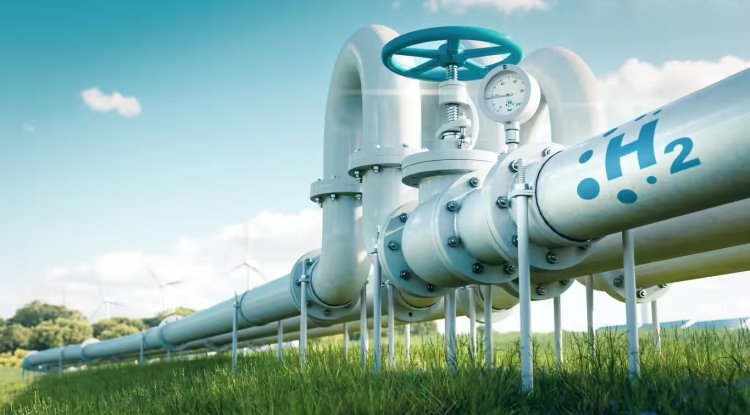
The Indian central government has introduced amendments in the verification process for fuel dispensing machines that now include hydrogen, compressed natural gas, and liquefied natural gas as well. With this step, India has broadened its regulation regarding the measurement system to promote energy transition.
As per the revision of the Legal Metrology (Government Approved Test Centre) Rules, 2013, the GATCs can now verify dispensing devices of other fuel types besides petroleum, diesel, and gasoline. This new move is meant to increase the accuracy of the measurement system and protect consumers from being exploited while filling the newly developed fuel forms at dispensing stations.
It was stated by the officials that the revision will also lessen the pressure on the state legal metrology department for verification purposes. The dispensers for hydrogen, CNG, and LNG will be verified just like the regular dispensers for conventional fuels. The Indian government has also made changes in verification fees.
This comes amid increased investments by India in cleaner fuels and the necessary infrastructure. Hydrogen has become a critical area of focus when it comes to clean energy development in India, mainly when applied in industries and for transportation purposes. CNG and LNG are being developed as alternative energy sources for the transport sector.
The change comes after the development of initiatives aimed at increasing the use of hydrogen in mobility vehicles. This has been witnessed by the introduction of hydrogen buses in Delhi using some pilot routes. Although small-scale, this development suggests more policy interest in alternative fuel systems.
Government-approved test centres are tasked with the certification of weights and measuring devices that are involved in business operations. Extending their mandates to cleaner fuels will be instrumental in facilitating standardization amid technological innovations in fuel dispensers.
Overall, the drive towards clean fuel is part of India’s efforts to ensure its energy transitions towards a sustainable future. Among the measures being pursued are increased ethanol blending, increased renewable energy production, and the adoption of hydrogen fuel.
According to industry experts, measuring standards for fuel will gain importance as alternative fuel distribution networks grow within the transport and industrial industries. Effective measuring systems are also required to build trust among consumers in new fuel marketplaces.
What's Your Reaction?