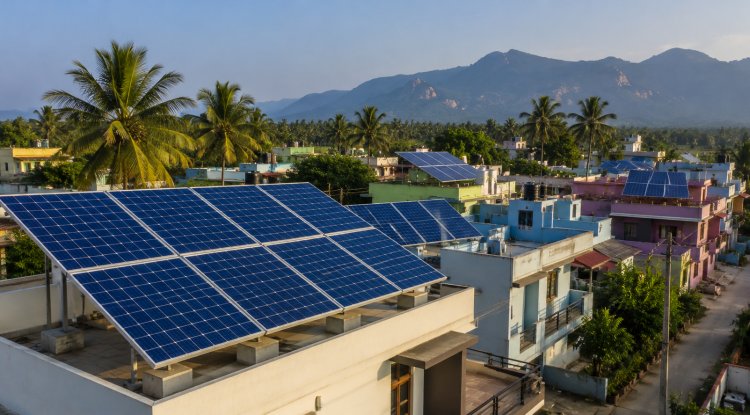
Frequent power curtailments by Gujarat's discoms are raising concerns over the financial viability of open access solar projects and future renewable energy investments.
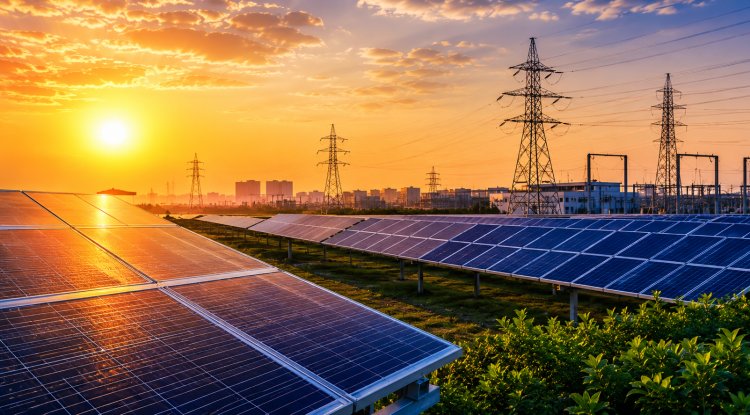
Gujarat's rapid growth in industrial solar power is facing fresh challenges as industries investing in captive and open access solar projects report increasing power curtailments by electricity distribution companies (discoms). Industry stakeholders warn that these restrictions are affecting the financial viability of renewable energy projects and could slow investments in one of India's leading solar states.
Over the last few years, several manufacturing units in Gujarat opted for open access solar power with an aim to cut down their electricity costs, fulfil the requirement of sustainable development, and decrease their reliance on electricity through the conventional grid system. Yet, it is being said by the companies that discoms have been restricting the quantity of renewable electricity which can be taken from their solar systems.
In the words of the representatives in the solar energy sector, the new regulations have greatly minimized the projected savings of investing in solar energy. Projects that were initially expected to pay for themselves in six years have seen this period extended to more than ten years.
Open access solar projects provide commercial and industrial users with an option to buy power directly from renewable energy plants rather than getting electricity only from their respective distribution companies. This concept has gained more popularity among heavy energy users since it is cost-effective for firms and helps them fulfil environmental obligations.
Industry experts believe that frequent curtailment of renewable power not only affects project economics but also creates uncertainty for investors planning large-scale clean energy installations. They argue that if such operational challenges continue, Gujarat's reputation as a preferred destination for renewable energy investments could be affected.
The problem arises at a time when Gujarat is serving a vital function in the renewable energy growth process in India by having several major solar parks and captive industrial renewable energy plants under construction. Stability of policies and reliable grid access are seen as key requirements to meet the nation's ambitious goals.
Electricity distribution companies are responsible for supplying power to end consumers and maintaining the distribution network. As renewable energy capacity increases, balancing grid stability with variable solar generation has become an important operational challenge. Experts note that better forecasting, improved transmission infrastructure and advanced grid management systems will be necessary to integrate higher volumes of renewable energy without affecting industrial consumers.
Industry bodies have urged policymakers and regulators to establish a transparent framework governing renewable energy curtailment so that open access consumers receive predictable access to the electricity they generate or procure. They say policy certainty will be critical to maintaining investor confidence and supporting India's transition towards cleaner industrial energy use.
What's Your Reaction?