A recent study has found that hemp-based biocomposites generate lower greenhouse gas emissions than conventional plastic materials across multiple industrial applications.
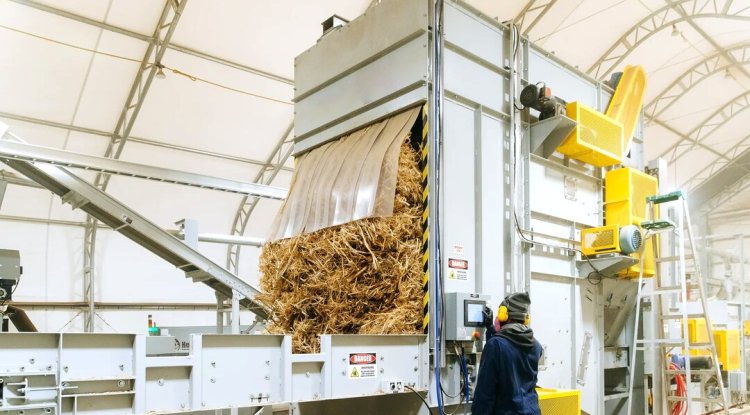
A recent study has indicated that hemp biocomposites can emit fewer greenhouse gases when compared with plastic materials typically utilized in industry applications.
The study analyzed emissions from industrial applications of materials extracted from the hemp plant, such as automotive manufacturing, construction, and consumer goods. Researchers compared the total emissions related to hemp-based materials and plastic materials produced from fossil fuel feedstocks. Lower emissions were identified in several hemp-based manufacturing procedures.
Biocomposites consist of natural fiber and polymer or resin. Hemp fiber is being researched due to its lightweight nature and high mechanical strength. Researchers also highlighted that cultivation of the hemp plant involves absorption of carbon dioxide.
It was determined through the study that emissions were influenced by various factors such as cultivation practices, transportation, industrial processing, and types of polymers involved in production. Researchers said that there could be a variance in emissions in different supply chains and manufacturing processes.
The interest in bio-based materials has increased among industries looking for an alternative to fossil fuels for production processes. Automotive manufacturers in Europe and Asia have begun using natural fiber composites in automobiles' interiors and lightweight parts.
Other issues related to the large-scale implementation of biocomposites have been noted by researchers and industry bodies. Such issues are material sourcing, moisture susceptibility, life span constraints, and processing expenses. Some forms of bio-composites still require further research into the creation of recycling infrastructure.
Authorities and corporations have been exploring options aside from traditional plastics amid stricter guidelines on waste management, industrial emissions, and the use of single-use plastics in several countries. The feasibility of using hemp-based composites is being evaluated within the context of circular economy and low-emissions manufacturing initiatives.
The researchers who took part in the study mentioned that further studies will need to be done at an industrial level to assess the commercial potential, environmental impact, and recycling infrastructure needs of hemp-based composite materials.
What's Your Reaction?