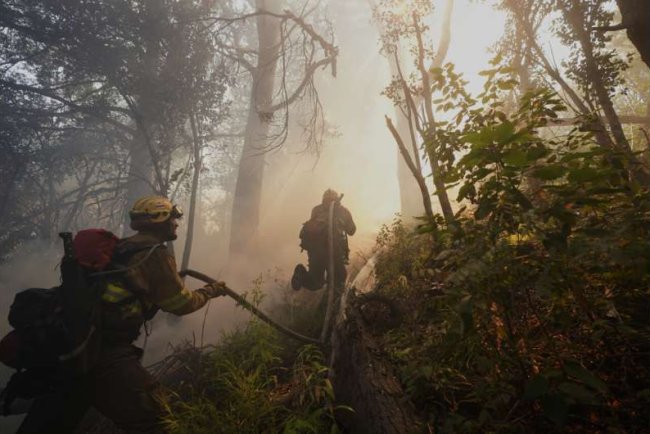
India’s water crisis is unfolding both underground and across rivers, shaped by overuse, uneven access, and changing climate patterns. On World Earth Day, the issue highlights deeper questions of control and sustainability.
Water in several parts of India is no longer something people think about only when it runs out—it shapes daily life. It affects routines, access, and, at times, even leads to conflict. On World Earth Day, the conversation is shifting beyond conservation to a deeper question: how water is used, shared, and managed.
Urban areas in India face the hidden problem of water scarcity in their underground sources, where it has remained plentiful enough to supply for a long period. Groundwater is a vital resource in India that is not being replenished due to its excessive exploitation for agricultural and domestic consumption purposes. The states of Punjab, Haryana, Rajasthan, and some regions of Southern India may soon reach the level known as “Day Zero.”
It is happening slowly, yet gradually. This is due to constant depletion through pumping, rapid urbanization, and altered rainfall patterns in recent years. Nowadays, rainfall occurs abruptly, running over streets and roofs.
On the other hand, the rivers are undergoing a different transformation. Rivers in the places where there has been the development of hydropower are increasingly not only natural formations. Waterways become increasingly managed through the installation of structures and competition. The result is increasing awareness of the environmental and social consequences of such changes, which means that management of water is not purely technical.
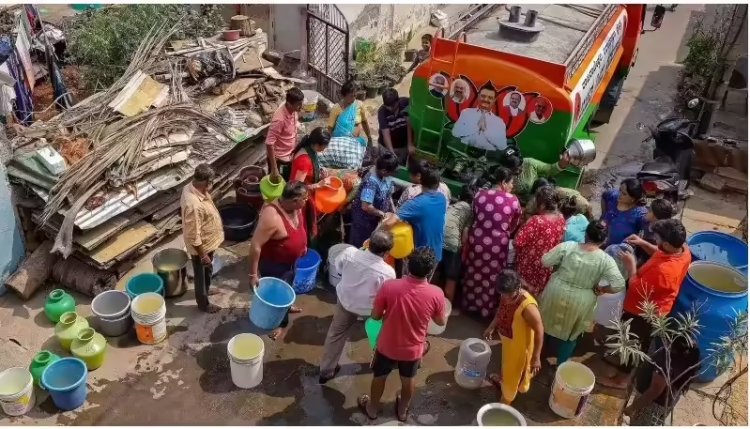
Access to water is uneven across Indian society. Some areas benefit from consistent access to water due to infrastructure development and privatization, while in other places, people rely on tanker deliveries or seasonal water availability.
Climate change increases the uncertainty associated with water resources in India. Unreliable monsoons and drought seasons put additional pressure on existing water infrastructure. It means that cities may be exposed to floods during some seasons and suffer from water shortages right after that.
From all these trends, there seems to be a stressed system where water sustains farming, industries, and urbanization, and where stress from any one area impacts the other two.
World Earth Day brings out in sharp focus how interlinked water management and sustainability are in today’s world. Water is not only something that needs to be saved but also something that needs to be managed well by collective efforts.
Two major issues can bring the Indian water situation into sharp focus—groundwater depletion and changes in rivers.
What's Your Reaction?