High Seas Treaty Pushes for Global Marine Biodiversity Protections
The BBNJ Agreement, adopted in 2023, aims to protect biodiversity in the high seas through international cooperation, marine protected areas, impact assessments, and equitable sharing of marine genetic resources; it awaits ratification by 60 nations to become binding.
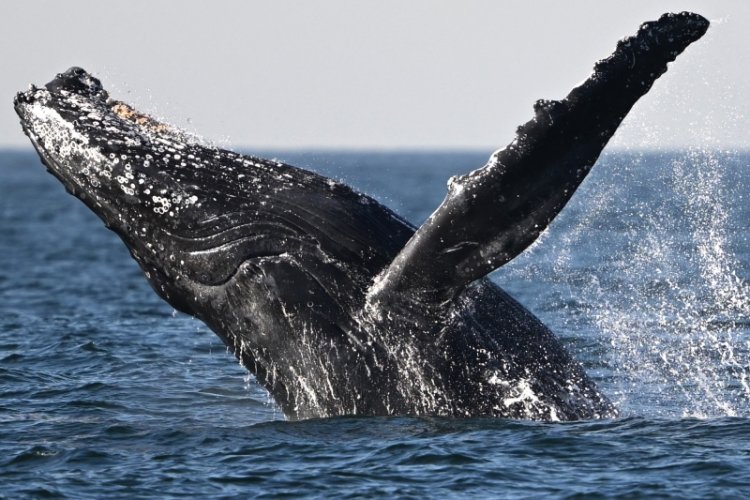
Nations globally are being urged to hasten the signing of the Agreement on the Use of Marine Biological Diversity of Areas Beyond National Jurisdiction (BBNJ Agreement), a worldwide ambitious action to preserve the biodiversity of the high seas. It was adopted in 2023 after nearly twenty years of negotiations, the BBNJ Agreement seeks to govern human activities in international waters outside of any country's jurisdiction—fairly reasonably called the high seas. The vast ocean areas covering nearly two-thirds of the world ocean surface are biologically diverse and abundant in marine species and ecosystems but are not yet blessed with widescale legal protection.
The importance of the BBNJ Agreement has increased as high seas are under increasing pressure due to overfishing, pollution, climate change, and unregulated business like deep-sea mining. The treaty was aimed at addressing these new dangers by means of a legal regime for conserving and managing marine biodiversity in oceans beyond national jurisdictions. Entry into force will allow states to set up marine protected areas, impose environmental impact assessments on large activities, and share fairly benefits arising from marine genetic resources. It also promotes international cooperation in marine science and conservation strategy sharing.
Even though the agreement was endorsed by United Nations Member States in June 2023, it is still not legally binding. It must be ratified by at least 60 countries before it can be applied. Up to March 2025, only 21 countries have ratified it. In an effort to advance progress, delegates from states around the world are meeting in New York City for a prep conference to push more countries to formally ratify the agreement. These talks form part of an overall effort to construct consensus on the legal and logistical details of the implementation of the treaty as well as acting on the pressing threats facing the health of oceans.
The BBNJ Agreement completes some gaps in the governance of the ocean worldwide. To begin with, it authorizes states to collectively determine marine protected areas within high seas spaces for the purpose of protecting fragile ecosystems and controlling use of resources. Secondly, it requires businesses and states drafting business activities such as mining or industrial-scale fishing to undertake environmental assessment processes before commencing operations. Such initiatives focus on determining that economic activities shall not cause irreversible damage to ocean life or prevent the ecological balance.
Marine genetic resources regulation forms the second most important component of the treaty. With the new regime, companies utilizing genetic material of high seas organisms—for example, biotechnology or drugs—must contribute to an international fund. The fund is meant to support ocean conservation and protection of biodiversity, especially in developing countries. It is focused on making the sharing of resources more equitable and recirculating benefits from ocean biodiversity back into protecting the same ecosystems.
The treaty also encourages cooperation in scientific research and exchange of information. Many countries, particularly poor nations, have previously experienced challenges obtaining information or creating marine conservation practices. The countries, through the BBNJ process, will have increased capacity to monitor biodiversity, increase the capacity to carry out research, and support international marine regulation. The agreement is seen as a significant step towards the realization of the sea-related targets of the Kunming-Montreal Global Biodiversity Framework, which aims to stop biodiversity decline by 2030.
The agreement does not involve general bans on fishing or the use of ocean resources. What the agreement does is to ensure sound management practice to enable subsequent generations to receive full benefits of ocean natural resources. The approach aims to foster sustainable development without any additional use of high seas ecosystems. Excellent balance is the one seen needed by industries like tourism, clean energy, biotechnology, and foreign trade which all rely significantly on ocean resources and ecosystems.
UN agencies, like the United Nations Environment Programme (UNEP), are helping nations navigate the process of ratification and preparation to implement. UNEP is assisting 26 countries in raising funds from the Global Environment Facility to help nations develop institutional capacity and take early action under the treaty. The support is part of UNEP's broader mandate to steer the sustainable management of coastal and marine ecosystems.
The importance of the BBNJ Agreement is further highlighted by rising global demand for the utilization of the ocean resources along with augmented economic contribution by maritime-based activity. Ocean trade goods and services worth a record USD 2.2 trillion in 2023. Poorly coordinated and unregulated, they have the ability to facilitate rising loss rate of biodiversity as well as resulting ultimate damage to ecosystem-based functions sustaining the climate system, fisheries, and coastal livelihoods.
This week's series of international conferences in New York marks a turning point for the treaty. Countries will be asked to make concrete commitments regarding accelerating the ratification process and setting up mechanisms for ensuring the treaty is put into practice. What occurs during these conferences could decide how rapidly and effectively the treaty is implemented in the next few years. The stakes are high, with uncontrolled utilization of the high seas threatening not only marine life but food security, climate regulation, and livelihoods for billions of people worldwide.
As the planet is confronted with interconnected environmental challenges, the BBNJ Agreement is, most probably, the most significant tool for ocean conservation beyond national jurisdiction. Its timely entry into force and adoption are pivotal in the effort to render ocean ecosystems sustainable and defend marine biodiversity worldwide.
Source/Credits:
UN Environment Programme (UNEP), United Nations sessions in New York, AFP/Andalou – Ozge Elif Kizil
What's Your Reaction?