Project Mumbai is turning the city’s instinct to step in during crises into organised, long-term action driven by citizens
Mumbai does not announce its kindness. It hides it between missed trains, bustling roads, crowded footpaths, and deadlines that never seem to move. The city is known for speed, ambition, and survival. But beneath the rush is a quieter instinct. When something breaks, people step in. A city that runs on urgency, where every minute is scheduled. During Covid, floods, or daily struggles, people help each other. The streets are congested, trains are full, and issues seldom wait their turn. However, there is also a modest habit of lending a hand in between the rush. During lockdowns, heat waves, floods, and other ordinary emergencies, people show up. This same instinct gave rise to Project Mumbai. It seeks to transform the city's existing goodwill into long-lasting action.
The idea was not to fix the city overnight. That would be unrealistic in a place as layered and uneven as Mumbai. Instead, the aim was simpler. Take what the city already does naturally, helping each other, and turn it into something organised, steady, and lasting.
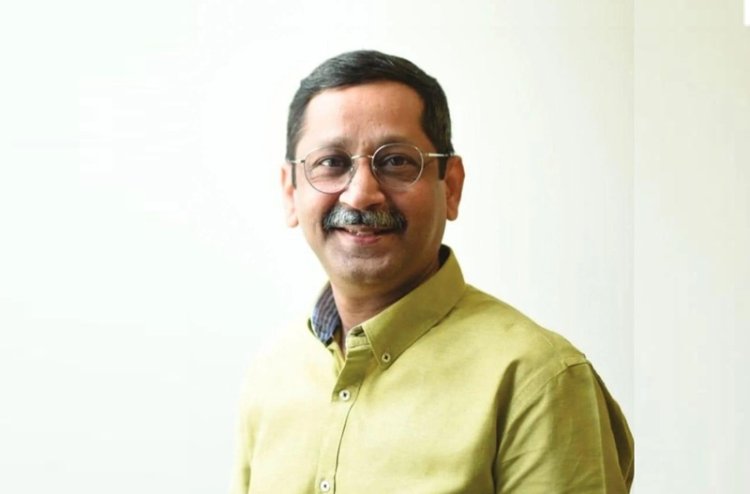
“People often say Mumbai is broken,” says Shishir Joshi, CEO and Co-founder of Project Mumbai. “But we saw a city that works because of its people, not in spite of them.”
Founded in 2018, Project Mumbai started with a belief that kindness is not soft or sentimental. It is practical. It can be planned, scaled, and used as a resource, much like money or infrastructure. Joshi calls this idea kindness capital. Time, skills, empathy, and effort, when pooled together, can solve problems that policies alone cannot.
Turning Complaints into Projects
Mumbai is full of complaints. Dirty streets. Overflowing landfills. Broken footpaths. Crowded schools. But Project Mumbai chose to look at these not as grievances, but as projects waiting to be taken up. The Mumbai Plastic Recyclothon was one of the first instances where this kind of thinking was applied. Rather than accusing people for the plastic waste generated, the project encouraged them to take part in the resolving process. Households were responsible for collecting plastic waste from their houses. Volunteers sorted it. Recycling partners processed it. The plastic returned to the city as benches, bins, stationery, and walkways.
The result was not just cleaner spaces. It was a shift in mindset. Waste stopped being something people threw away and forgot. It became something they felt responsible for. Over time, the Recyclothon grew into the largest citizen-led recycling drive in India. More than four lakh volunteers took part. Over one lakh families were involved. Around 110 tonnes of plastic were diverted from landfills.
But for Joshi, the numbers matter less than the behaviour change. “When a child sits on a bench made from plastic their own family collected, it changes how they see waste forever,” he says.
When Crisis Hit, Citizens Stepped In
The real test came during Covid. As the city shut down and livelihoods disappeared overnight, the gaps in systems became visible. Migrant workers were stranded. Daily wage earners lost their whole income. The elderly stayed in houses where there were no medicines for them.
Project Mumbai was in the forefront as one of the co-founders of Khaana Chahiye, the food relief program initiated and run by the citizens. An emergency response that began turned into one of the biggest relief operations of the city.
More than 7.5 million people were given food and other necessities. The volunteers did cooking, packing, distribution, and coordination very smartly in some of Mumbai's least fortunate areas.
There was no single face of this effort. It was run by citizens who showed up every day, often quietly. Teachers, students, corporate employees, homemakers, delivery workers.
For this work, Project Mumbai received the UN SDG Solidarity Award. Joshi says the recognition did not change the purpose, but it raised expectations. “It made us realise that what feels local and small can matter globally,” he says.
The Public-Private-People Model
Project Mumbai often describes its approach as a Public-Private-People partnership. On paper, it sounds technical. On the ground, it is simple.
The public sector provides access and legitimacy. Permissions to use schools, gardens, public spaces. Civic backing that allows work to scale.
The private sector supports through funding, materials, and expertise. CSR money is used not for one-time events, but for sustained programmes.
People are the core. Citizens volunteer time, skills, and energy. They clean beaches, mentor children, support mental health initiatives, and improve public spaces. “What makes this work is that people are not treated as beneficiaries,” Joshi says. “They are partners. They own the outcome.”
Reaching Those Often Left Out
Mumbai is a city of sharp contrasts. High-rises stand next to slums. Opportunity and exclusion exist side by side. Project Mumbai prioritises the needs of those who stand the greatest chance of being neglected in its operations. These include migrant labourers, seniors, the disabled, seasonal workers, and households in slums or shantytowns.
During the Covid pandemic, the elderly received help from volunteers in obtaining medicines and healthcare services. Children who lost access to schools were supported through education and nutrition efforts. Frontline workers received PPE.
Inclusion, Joshi says, is not about grand gestures. It is about removing small barriers. A ramp that actually works. Clear signs. Volunteers who speak local languages. Patience. “You know a city is becoming kinder when people help instead of stare,” he says.
Measuring Impact Beyond Numbers
Project Mumbai has reached over 1.5 crore people since 2018. But Joshi insists that impact is not just about scale. They look at three things - access, behaviour, and ownership.
Are people able to reach services more easily? Are habits changing over time? Do communities feel they own the solution? Cleaner streets matter. But so does the feeling that the street belongs to everyone.
Climate Action is now taking place on the streets. In the past few years, Project Mumbai's activities have come to a greater extent in line with the initiatives related to climate action. All these issues, like heat waves, flooding, water scarcity, and informal labourers' pressure, are now risks that are no longer in the future. They are everyday realities.
This led to the launch of Mumbai Climate Week. The idea was not to host another conference. It was to bring climate action into daily city life. To connect policy, innovation, and citizen action in one space. “Mumbai is already living with climate change,” Joshi says. “We cannot talk about it only in meeting rooms.”
Mumbai Climate Week highlights urban resilience, adaptation measures, financing, and local solutions as its main topics of discussion. The event is a melting pot of government establishments, startups, civil society players, and the general public.
Not only are initiatives like Jallosh beach clean-ups, school sustainability fairs, housing society projects, grassroots inventions, etc. placed on the sidelines, but they are also positioned in the spotlight.
Why Grassroots Solutions Matter
Mumbai is often described as a city that tests everything to its limits. Density. Diversity. Infrastructure. Joshi believes this makes it a living laboratory. If a solution works here, it can work anywhere. This is why Project Mumbai supports local innovations. From early warning systems to heat mitigation ideas and community-led waste management. Partnerships like the Climate Innovation Challenge, supported by institutions like NSE, help startups move from pilot stage to real adoption. “Cities like Mumbai don’t just need ideas,” Joshi says. “They need ideas that survive pressure.”
The Future of Citizen-Led Cities
Looking ahead, Joshi believes citizen-driven organisations will become essential to how cities function. As populations grow and climate risks increase, governments alone cannot respond fast enough. Organised citizen platforms will help test solutions, mobilise people, and build trust. Project Mumbai sees itself as a bridge. Between citizens and institutions. Between urgency and long-term planning.
Joshi says the cities that survive will not be the smartest or the richest. They will be the ones where people choose to participate. “Resilience is not a policy,” he says. “It is a habit.”
In Mumbai, that habit already exists. Project Mumbai is simply giving it a structure, so that kindness does not fade when the crisis passes, but stays to shape the city’s future.
What's Your Reaction?