A new study found that zinc linked to industrial emissions and fossil fuel combustion has become a major source of zinc in the remote South Pacific Ocean.
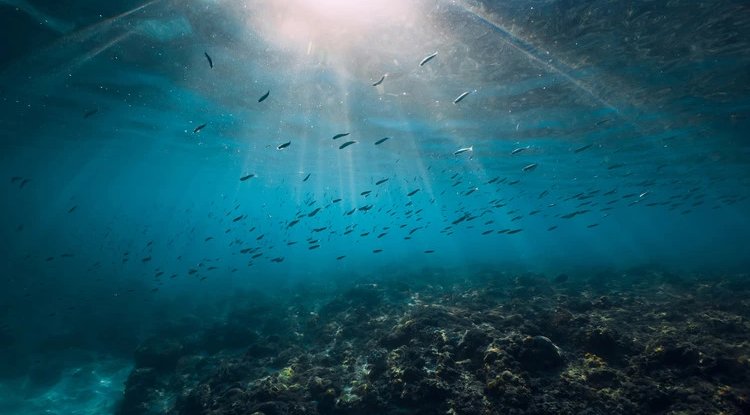
A new study indicates that human-originating zinc contamination has been detected in the distant reaches of the South Pacific Ocean by scientists from ETH Zurich and Germany's GEOMAR Helmholtz Centre for Ocean Research.
The findings are published in Nature Communications Earth & Environment and demonstrate that mineral zinc found in the surface waters of the South Pacific is more abundant than naturally occurring zinc due to industrial emissions and fossil fuel use.
The researchers note that tiny metal particles produced by burning coal, industrial processes, and metallurgical production become aerosolized, eventually descending to the ocean surface with the atmospheric circulation system.
Using different techniques for analyzing zinc isotopes in ocean particle samples taken from the South Pacific, as well as examining lead isotopes to provide additional evidence of source attribution, the scientists conclude that zinc associated with aerosol produced from human activity contributes significantly to the zinc resources found in the upper layers of the ocean.
Zinc is necessary for biological processes occurring within the marine environment, including phytoplankton's ability to grow and perform metabolic processes. If there are changes to the zinc's composition and concentration, they could disrupt the population of plankton and negatively impact the marine food web.
Researchers found that by analyzing large amounts of airborne pollution, they could determine how much of that airborne pollution was the result of industrial activity versus naturally occurring sources. The researchers have concluded that the zinc found in the South Pacific is a good representative sample of the total amount of zinc, as well as a very small but representative sample (isotopically) of what is coming from industrial sources.
The results of the study provide strong evidence for long-range transport of atmospheric contaminants into "distant and pristine" marine environments surrounding the South Pacific. The South Pacific has been classified as one of the most remote and cleanest ocean regions on Earth due to its distance from most major industrial centers.
In addition to the study's strong evidence, these recent data trends also support previous studies indicating that atmospheric and oceanic systems can transport pollutants (such as aerosols, metals, and plastics) over long distances prior to entering the marine ecosystem.
The researchers stated that by studying trace metals' movements in oceans, we can gain valuable insight into marine ecosystem changes and the impacts of industrial emissions on ocean chemistry.
What's Your Reaction?