Hundreds of residents were evacuated from coastal parts of Wellington after 11-metre waves and gale-force winds disrupted transport, damaged infrastructure and prompted emergency measures.
Hundreds of residents were moved out of the coastal parts of Wellington due to big waves and high wind speeds experienced in Wellington, which is the capital city of New Zealand.
The evacuations were ordered for the southern suburbs of Owhiro Bay, Island Bay, Houghton Bay, and Breaker Bay. Residents were asked to move away from the coastal area due to the rough sea, which posed threats of flooding and destruction. Access was cut off on all roads leading to the area.
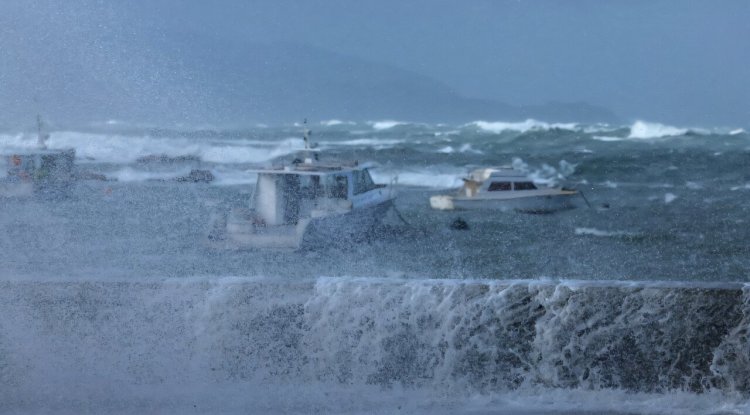
Based on New Zealand’s MetService, the wave height inside the harbour of Wellington went up to 11 metres. The authorities said that the wave height was higher than during a major coastal storm last year.
The effect of the storm was worsened by strong winds. Wind speeds reached 128 km/h in Wellington, leading to flight cancellations, disruption of ferry services, and road closures. Coastal roads were flooded with waves, causing travel disruptions in the area.
At Wellington Airport, a parked light aircraft was turned over by strong winds. No casualties have been reported at the airport so far. Airlines advised their clients about delays and cancellations due to adverse weather conditions.
An emergency declaration was issued in anticipation of the effects of the weather conditions on the coast. It should be noted that despite the weakening winds, hazardous conditions might persist due to wave action.
The weather experts have attributed the formation of the storm to a deep low-pressure formation in the South Pacific Ocean. The officials informed that the wave formation was due to a weather phenomenon and not to any earthquake or tsunami.
This has come as a result of the previous occurrences of severe weather phenomena in the country. There have been floods and landslides in some regions of the Wellington region.
What's Your Reaction?