Hyundai Motor expands its mineral tracking initiative to include EV battery materials like lithium, cobalt, and graphite, responding to increased ESG scrutiny, legal risks, and global ethical sourcing regulations. The policy aims to improve supply chain transparency and align with international human rights standards.
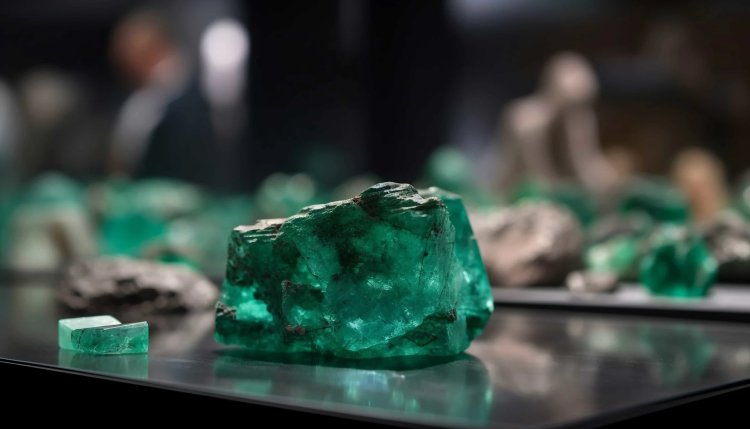
South Korea's Hyundai Motor Group has expanded its traceable responsible mineral initiatives in response to growing global calls for clean and ethical supply chains. The plan will cover approximately 20 key materials, including lithium, nickel, graphite, cobalt, and copper—hallmark materials of electric vehicle (EV) battery manufacturing. The strategic expansion comes as there is heightened scrutiny on environmental and human rights behavior tied to sourcing and extraction of major minerals.
As ESG issues rise to greater prominence to business responsibility, Hyundai is taking it further by having large suppliers make sources and locations of these in-demand minerals known. The move is intended to improve traceability and minimize environmental, ethical, and legal risk across the firm's global supply base.
Hyundai has been publishing an annual conflict minerals report from 2022, and in prior years, the focus has been on 3TG minerals—tin, tantalum, tungsten, and gold—which are typically sourced from conflict areas like the Democratic Republic of Congo. This inclusion is critical in broadening the scope to include minerals that are becoming more desirable with the expansion of the EV market. We have cobalt and lithium, which are often associated with concerns regarding working conditions, child labor in mines, and natural habitat destruction in countries where the government is not controlling mining sufficiently.
The company relocation follows a 2024 report by Amnesty International that placed Hyundai 11 among 13 global EV manufacturers in human rights due diligence. The company called for more alignment with global human rights standards. Hyundai's broader drive responds to such global audit and seeking to improve its moral profile in the EV market.
This shift also mirrors an increasing global regulatory landscape. The 2022 United States Uyghur Forced Labor Prevention Act (UFLPA) prohibits imports that relate to forced labor in places such as Xinjiang, China. The European Union then enacted mirror legislation in 2024 that mandates investigations into supply chains for the breach of labor rights. These individuals or organizations that are out of compliance with these rules are exposed to legal penalties, reputational risk, and trade restriction, especially in Western markets.
In this context, Hyundai’s policy adjustment is both a compliance measure and a proactive strategy to safeguard its global operations. The company recognizes that failing to meet international standards could lead to litigation, financial penalties, and a decline in investor confidence. Legal experts have emphasized the potential legal liabilities associated with ESG non-compliance, especially as supply chain transparency becomes a global business norm.
The automaker's focus on so-called critical minerals like cobalt and lithium also follows heightened investor and consumer scrutiny. Both are found in lithium-ion batteries, which propel electric vehicles. But their production has been criticized over reports of environmental destruction, toxic working conditions, and indigenous rights abuses in some parts of the globe. With greater traceability, Hyundai aims to reduce such associated risks and be a responsible global EV trader.
This move may also support the company’s long-term competitiveness. As the global automotive sector continues its shift toward electrification, companies are under pressure to demonstrate that their growth is not coming at the cost of environmental harm or human rights violations. Consumers and institutional investors increasingly favor companies that can prove ethical sourcing and sustainable production. Hyundai’s expansion of its mineral tracking initiative could serve as a key differentiator in this evolving landscape.
Additionally, the strengthened mineral tracking strategy may allow Hyundai to better navigate future ESG-related regulations, which are expected to become even more rigorous. Governments and global watchdogs are signaling that ESG disclosures and accountability are no longer optional for multinational corporations. Hyundai’s early investment in supply chain transparency could position it to meet these challenges head-on, avoiding potential disruptions and liabilities.
Lastly, Hyundai Motor Group's action is also part of a larger industry trend toward increased corporate social responsibility and sustainability. Mineral tracing is not merely a response to regulation; it's a proactive step towards ethical manufacturing, investor confidence, and marketplace trust. As the market for electric cars continues to grow, firms such as Hyundai will face increasingly intense questioning regarding the management of their supply chain. Succeeding in this test will be critical to long-term success.
Source and Credits:
Pulse through KnowESG
What's Your Reaction?