Explore the definitions and distinctions between Scope 1, 2, and 3 emissions, understand their impact on an organization's sustainability efforts, and discover actionable steps to mitigate these emissions in alignment with the Greenhouse Gas Protocol An in-depth explanation of Scope 1, 2, and 3 emissions as defined by the Greenhouse Gas Protocol, highlighting their significance and strategies for organizations to effectively manage and reduce their carbon footprint.
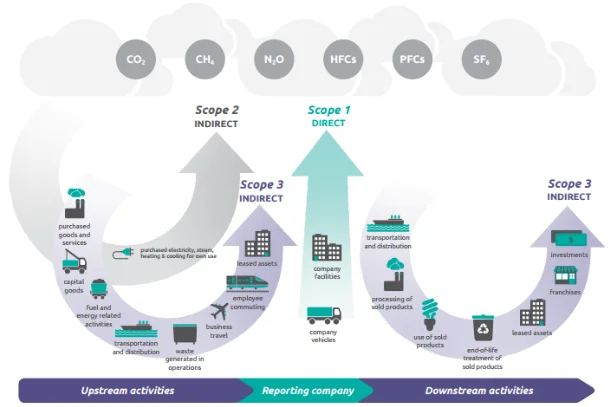
The Greenhouse Gas Protocol (GHG Protocol) provides a standardized framework that classifies emissions into three categories: Scope 1, Scope 2, and Scope 3. This classification assists companies in identifying and addressing their emissions sources effectively.
Scope 1 emissions are direct emissions from sources owned or controlled by the organization. This includes emissions from combustion in owned or controlled boilers, furnaces, vehicles, and other equipment. For example, if a company operates its own fleet of delivery trucks, the emissions from the fuel combustion in these vehicles fall under Scope 1.
Scope 2 emissions are indirect emissions from the generation of purchased electricity, steam, heating, and cooling consumed by the organization. While these emissions occur at the facility where the energy is produced, they are attributed to the organization’s energy consumption. For instance, the emissions resulting from electricity used to power office buildings or manufacturing facilities are considered Scope 2. I
Scope 3 emissions encompass all other indirect emissions not covered in Scope 2 that occur in the value chain of the organization. These include both upstream and downstream emissions. Upstream activities might involve emissions from the production of purchased goods and services, transportation, and distribution. Downstream activities can include emissions from the use of sold products and their end-of-life treatment. For example, emissions produced when consumers use a company's product, such as the burning of fuel in cars sold by an automobile manufacturer, are categorized under Scope 3.
Addressing Scope 3 emissions presents significant challenges due to their broad and complex nature. They often represent the largest portion of an organization’s total GHG emissions, sometimes accounting for up to 95%. For example, Walmart’s net-zero strategy has been scrutinized for excluding Scope 3 emissions, which constitute the majority of its carbon footprint. Similarly, financial institutions have faced criticism for net-zero pledges that do not fully encompass their Scope 3 emissions.
To effectively manage and reduce Scope 3 emissions, organizations can adopt a structured approach:
-
Measure Current Emissions: Accurately quantify Scope 3 emissions to understand their magnitude and sources.
-
Engage Suppliers: Collaborate with suppliers to encourage and implement sustainable practices throughout the supply chain.
-
Evaluate Reduction Initiatives: Assess potential strategies and technologies that can lead to emission reductions in various stages of the value chain.
-
Execute Strategies: Implement the identified initiatives, integrating sustainability into procurement and operational processes.
-
Monitor and Report: Continuously track progress, report findings transparently, and adjust strategies as necessary to achieve targeted reductions.
This comprehensive approach not only aids in reducing emissions but also aligns with emerging regulations and stakeholder expectations.
Understanding and addressing all three scopes of emissions is vital for organizations committed to sustainability. By systematically managing Scope 1, Scope 2, and particularly the often-overlooked Scope 3 emissions, companies can significantly contribute to global efforts in combating climate change
What's Your Reaction?