India and Australia are expected to sign a uranium supply agreement during Prime Minister Narendra Modi's visit, strengthening fuel security for India's expanding civilian nuclear power programme.
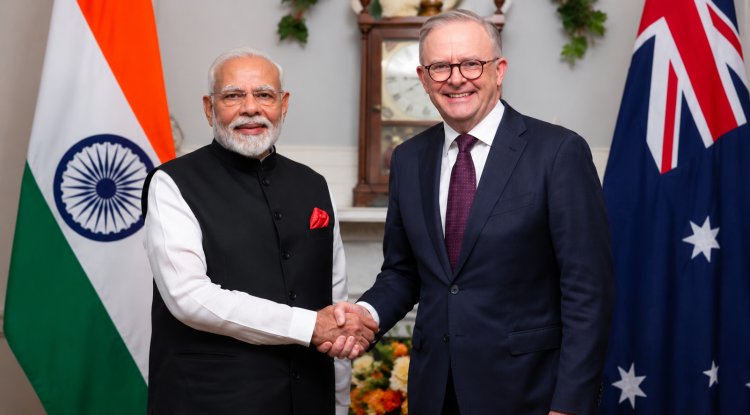
India and Australia are expected to strengthen their strategic energy partnership with the signing of a new uranium supply agreement during Prime Minister Narendra Modi's upcoming visit to Australia. The proposed pact is aimed at ensuring a stable and long-term supply of uranium for India's expanding civilian nuclear energy programme, reinforcing cooperation between the two countries in the clean energy sector.
The agreement is expected to come after the civil nuclear cooperation arrangement already put in place by the two countries more than 10 years back. Australia, which boasts the largest deposits of uranium globally, is increasingly becoming a key player when it comes to assisting India's plan of diversifying its energy supply and lowering the reliance on fossil fuels. The new partnership will ensure the consistent supply of uranium as India develops more of its nuclear power plants due to growing demand for electricity.
India’s energy transition plan has seen nuclear energy becoming an important part of its mix. While thermal coal-based power plants emit huge amounts of greenhouse gases and also provide intermittent energy supply, nuclear power stations produce zero greenhouse gas emissions and continuously supply electricity. The growing amount of renewable energy sources in India will be effectively balanced by the presence of nuclear energy in India’s energy transition plan.
Currently, there are 24 nuclear reactors operating in India with an installed capacity of 8.88 GW of energy, while a few other reactors are still under construction. The Indian government plans to raise nuclear capacity to 22.48 GW by 2031-32, which will be twice the existing capacity. This capacity increase is in line with the Indian government’s mission of developing 500 GW of non-fossil fuel electricity generation capacity by 2030 and net-zero emissions by 2070.
Australia is the world's largest holder of recoverable uranium resources, accounting for nearly 28% of global known uranium reserves, according to the World Nuclear Association. Although the country exports uranium to several nations for peaceful purposes, strict safeguards ensure that exported material is used only for civilian nuclear programmes under international monitoring.
Cooperation in energy between India and Australia has gone well beyond uranium over the past few years. Both countries have increased their level of cooperation in critical minerals, renewable energy, clean hydrogen, and technologies that will help the world in its energy transition. Both India and Australia are part of the Quad group and have made clean energy and resilient supply chains their priorities for cooperation.
The expected uranium supply pact also comes during a period when there is increased global interest in the use of nuclear energy. This is because there are many nations that have taken a second look at nuclear energy as an energy source that can guarantee low carbon electricity production to support climate targets, alongside consistent electricity production. The increase in electricity demand as a result of industrialization and other factors has contributed to this.
If finalised during Prime Minister Modi's visit to Australia, then it will represent yet another step forward in India and Australia's Comprehensive Strategic Partnership, as it will ensure enhanced energy security for India through increased collaboration between both countries in the field of clean energy.
What's Your Reaction?