India has disbursed ₹145 crore ($16.9 million) under its biodiversity benefit-sharing framework since 2008, with payments reaching over 10,500 local biodiversity committees across the country.
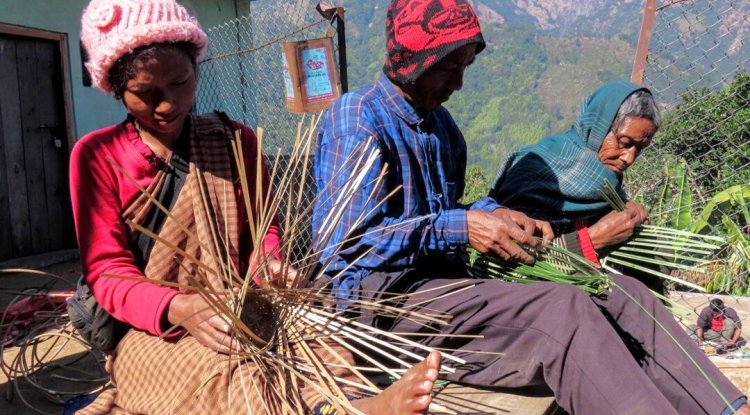
India has provided assistance amounting to around ₹145 crore ($16.9 million) via the country’s Access and Benefit Sharing (ABS) system since the implementation of the programme, with assistance going out to over 10,500 Biodiversity Management Committees throughout India, according to the Ministry of Environment, Forest and Climate Change.
The National Biodiversity Authority has received an aggregate amount exceeding ₹266 crore via the ABS mechanism since 2008. The collections in the 2025-26 fiscal year were ₹21.26 crore, making the average yearly collection since the implementation of the framework ₹14.75 crore.
The framework for ABS is established under the Biological Diversity Act of 2002 and requires the sharing of any benefit derived from the commercial utilization of biological resources and traditional knowledge.
In 2025-26, nearly ₹78 crore was distributed to beneficiaries. Payments reached Biodiversity Management Committees in 23 states and four Union Territories. More than 230 farmers, six state forest departments and several institutions also received funds. The programme has also financed six research projects on Red Sanders.
Red Sanders contributed the largest share of collections, generating ₹120 crore, or about 45% of the total. The seed sector accounted for ₹84.61 crore (32.3%), followed by the pharmaceuticals and AYUSH sector with ₹36.61 crore (13.8%). Together, these three sectors contributed nearly 91% of all collections under the framework.
Major contributors include Pioneer Overseas Corporation, Nunhems India Pvt. Ltd. and East-West Seeds India Pvt. Ltd., along with companies from the pharmaceutical, biotechnology, cosmetics and industrial sectors.
Under the Biological Diversity Rules, 2024, the National Biodiversity Authority transfers 85% to 90% of the collections to State Biodiversity Boards, which then distribute the funds to eligible beneficiaries.
The funds are used to undertake activities like habitat restoration and biodiversity conservation, and livelihood projects. The funds are also used for the development of the People's Biodiversity Register, traditional knowledge documentation, medicinal plant park, community seed bank, and training programs.
ABS is an integral component of India’s international commitments under the Nagoya Protocol, the National Biodiversity Strategy and Action Plan 2024-2030 and the Kunming-Montreal Global Biodiversity Framework.
What's Your Reaction?