India's excise duty exemption on high-ethanol petrol aims to reduce oil imports and support cleaner fuels, though long-term sustainability will depend on responsible feedstock and water management.
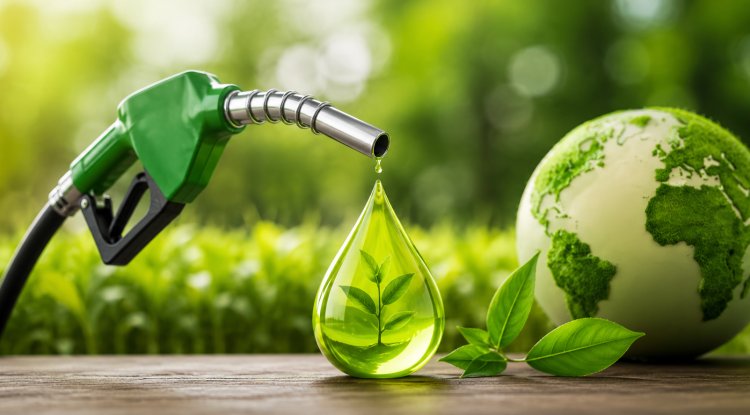
India has announced a major policy move to encourage the use of cleaner transportation fuels by exempting higher ethanol-blended petrol from excise duty. The decision applies to petrol blends containing 22% to 30% ethanol, including E22, E25, E27 and E30 fuel variants, as part of the country's ongoing effort to expand the use of biofuels in the transport sector.
This will help to enhance energy security and sustainability efforts by decreasing reliance on foreign crude oil. Being one of the biggest importers of oil, India has had to incur much foreign exchange for its import needs. The adoption of more ethanol in fuels will be an effective means of reducing this reliance on foreign fuel sources.
The use of increased ethanol in fuel is considered beneficial from an environmental point of view for a number of reasons. This is because ethanol is a bio-fuel that mainly consists of agricultural products like sugarcane and grain. Mixing it with petrol means that there will be some reduction in greenhouse gases that contribute to global warming and fossil fuels.
The policy could also create economic opportunities in rural India. Greater demand for ethanol may benefit sugar mills, grain processors and farmers supplying feedstock for biofuel production. Investor optimism surrounding the ethanol ecosystem was reflected in gains recorded by several sugar sector companies following the announcement.
However, sustainability experts caution that the use of ethanol might not be a panacea either. Increased production of ethanol can lead to strain on agricultural land and water supplies, especially when ethanol production is carried out in areas that have low availability of water. Moreover, it has also been suggested that food-for-fuel conflicts can emerge if the agricultural resources are directed towards producing fuels rather than food. Also, there could be problems of compatibility in case of older models of cars.
This comes at a time when the country introduced the E85 fuel for flex fuel vehicles in India, following the government's move to use alternative fuels within the transportation sector. As India moves towards balancing its energy security, rural development, and environment goals, the success of the higher blend will depend on whether environmental advantages outweigh resource use disadvantages.
What's Your Reaction?