India Explores Brick-Based Energy Storage Solutions
India is exploring brick-based thermal energy storage as a sustainable alternative to lithium-ion batteries, supporting renewable energy goals with cost-effective technology.Learn how India’s brick-based energy storage could replace lithium-ion batteries, offering a sustainable, cost-effective solution for renewable energy needs.
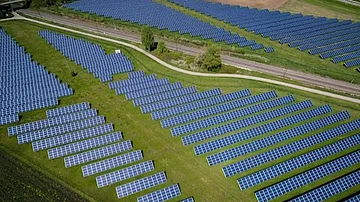
India is investigating brick-based thermal energy storage as a sustainable alternative to lithium-ion batteries, aiming to support its renewable energy goals with cost-effective and eco-friendly technology.
As India expands its renewable energy capacity to meet net-zero targets by 2070, reliable energy storage is critical to manage the intermittent nature of solar and wind power. Lithium-ion batteries, the current standard, face challenges like high costs, limited lifespan, and dependence on imported minerals such as lithium and cobalt.
Brick-based thermal storage offers a promising alternative, using heated bricks to store energy as heat, which can be converted to electricity on demand. This technology relies on abundant materials like clay, reducing costs and environmental impact compared to lithium-ion systems. Pilot projects in India, particularly in industrial hubs, demonstrate its potential for applications like powering factories during off-peak hours. For example, a facility in Gujarat uses brick storage to supply consistent energy for manufacturing processes.
The system’s durability, with bricks lasting decades, and recyclability enhance its sustainability. However, brick-based storage has lower energy density than lithium-ion batteries, requiring larger installations for equivalent output. Infrastructure upgrades, such as integrating thermal storage with existing grids, pose additional challenges.
Research is ongoing to improve efficiency, with innovations focusing on advanced insulation and heat transfer mechanisms. Government support, through subsidies and R&D funding, is driving adoption, with policies aligning with India’s renewable energy roadmap.
The technology could reduce reliance on fossil fuel-based backup systems, which still account for 20% of India’s power during peak demand. Scaling brick storage requires investment in manufacturing and training to build expertise. If successful, this approach could position India as a leader in alternative energy storage, supporting both domestic needs and global sustainability efforts.
Conclusion
Brick-based energy storage offers India a sustainable, cost-effective solution for renewable energy challenges. Continued research and policy support are crucial to scale this technology for widespread adoption.
Source:Outlook Business:
What's Your Reaction?

















