India has launched E85 fuel at selected retail outlets as part of its strategy to expand biofuel use, reduce fuel imports, and support cleaner transportation.
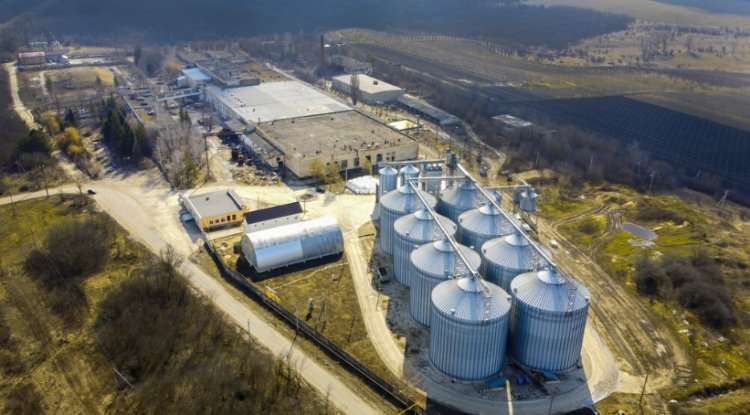
The integration of biofuels in India's transportation sector is expected to continue growing.
India has begun the commercial rollout of E85 fuel, marking a significant step in the country's transportation energy policy. The new fuel contains 80–85 per cent ethanol and 15–20 per cent petrol and was launched to coincide with World Environment Day. The initial phase has begun at 48 retail outlets operated by public-sector oil marketing companies across the country, and the bulk of the infrastructure is concentrated in the national capital region of Delhi and Maharashtra.
The main structural motivation for the use of this high-ethanol fuel is its pricing policy. The government has priced the fuel at around ₹20 per litre less than regular petrol. In the first station in Delhi, for instance, the fuel is sold at the rate of 82 rupees 12 paise per litre, while the normal E20 petrol is sold in the same station at more than one hundred rupees per litre. The pricing strategy aims to provide consumers with a financial incentive, in order to compensate for the overall lower energy density characteristic of ethanol, which typically equates to a 10-15% loss in fuel economy relative to regular petrol.
Availability of suitable technology in vehicles forms a critical requirement for large-scale adoption of E85. Higher levels of ethanol require vehicles to be built from corrosion-resistant material along with advanced fuel systems and dedicated engine control systems that are incompatible with gasoline engines. Flex Fuel Vehicle options for passenger and two-wheeler segments are few in India owing to their incipient stage of development. However, according to industry sources, flex-fuel variants are priced marginally higher than their counterparts at present but the price gap can narrow down in future.
The Ministry of Petroleum and Natural Gas has laid out a gradual plan to expand the infrastructure to address the lack of vehicles and fuel. The current network of 48 stations is planned to expand to 500 stations by December 2026. The goal is to establish around 5,000 E85 fuel stations across major urban areas by December 2027. This expansion aligns with the national goal of increasing ethanol blending to nearly 26 per cent by FY 2030–31.
What's Your Reaction?