The comments came days after India and the European Union signed a trade deal that cut tariffs in several sectors but left the EU’s carbon border tax unchanged.
The Indian steel sector will continue to face a tough situation in the European markets with the imposition of new carbon taxes and limits on imports. However, the government has recognized the problem and promised to intervene to assist the sector that relies on the European markets for exports.
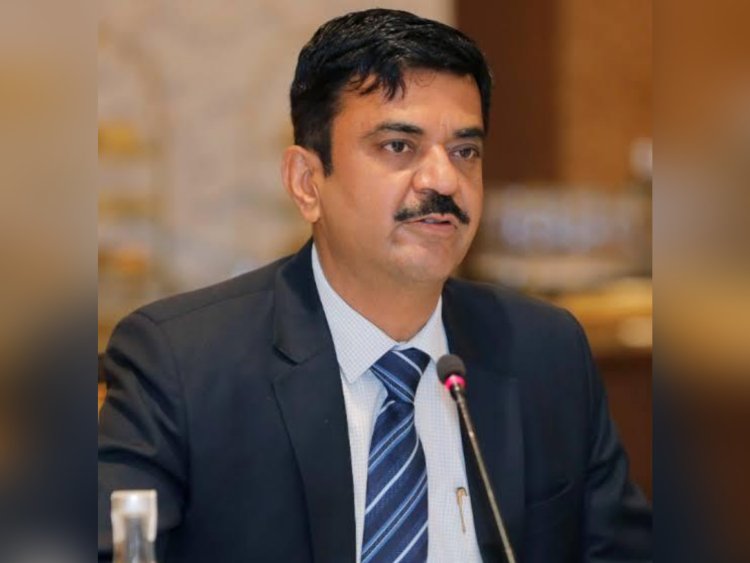
The EU's carbon tax and import quotas are among measures that will make it tougher for Indian steel to compete in the region, said Steel Secretary Sandeep Poundrik. Speaking at an event in New Delhi, he said exports to Europe are expected to stay under strain and that policy support will be needed to protect Indian producers and jobs linked to the industry.
These comments come after India and the EU signed a trade deal in which import duties were reduced. However, the agreement does not exempt India from the EU’s carbon border tax, also known as the Carbon Border Adjustment Mechanism (CBAM). This is a tax levied on imported products such as steel, cement, and aluminum according to the level of carbon emissions during the manufacturing process.
The impact of the CBAM initiative is likely to be significant for Indian steel manufacturers. Currently, close to two out of every three exports of steel from the country go to European countries. Hence, with the advent and implementation of the CBAM initiative, the steel manufacturers will now be left with the alternative of paying more or going green. Experts opine that the smaller steel manufacturers would face difficulty in adhering to the climate requirements in Europe.
India has voiced its concern about the CBAM in various international platforms, stating that it is creating a trade barrier for developing countries. They have also warned that it would affect countries that are still in the process of transitioning to greener technologies.
Yet, as European demand becomes more expensive to serve, Indian steel companies are also looking for new markets in regions such as Africa and the Middle East too. Though good opportunities would be available in these markets, these may not compensate for the potential loss of business in Europe, as Europe is one of the largest export markets for India.
However, the government is currently contemplating various options to mitigate the impacts of all this, including support for clean steelmaking techniques and engagement with the EU on climate-linked trade rules. How soon India’s steelmaking industry is able to adjust to this new initiative by nations around the world regarding greener trade may very well determine how this shift is taken by India’s steel industry with respect to European trade policies.
What's Your Reaction?