India is expanding renewable energy, incentives and infrastructure to scale up green hydrogen production and reduce costs by 2030.
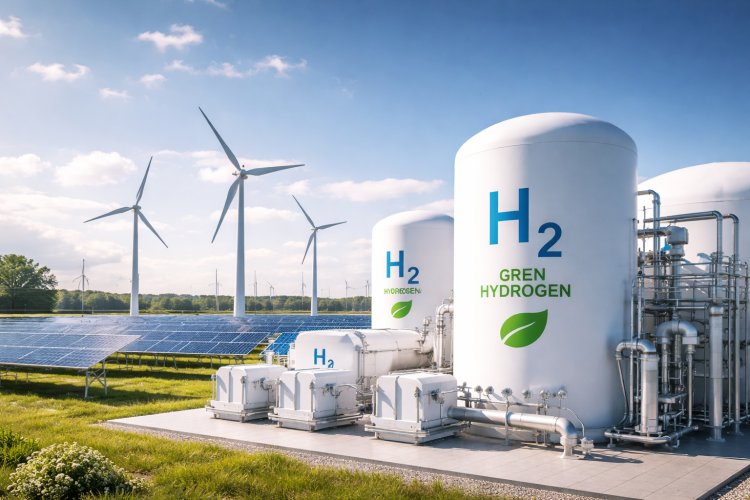
The government is working on to make India becomes a major centre for the production, use, and export of green hydrogen. To do this, it has launched the National Green Hydrogen Mission (NGHM). The initiative aims to build enough capacity to reach five million metric tonnes of hydrogen per year by 2030. The plan is to make India a supplier of green hydrogen.
Under the mission, 15 companies have been approved to produce electrolyzers with a total capacity of 3,000 MW per year, while 18 companies have been given the production capacity for a total of 862,000 tonnes of green hydrogen per year. In addition, two companies have been given 20,000 tonnes per year for the procurement of green hydrogen for refineries. The cost of production and supply of 724,000 tonnes of green ammonia to 13 fertilizer units has also been set by the Solar Energy Corporation of India.
To facilitate cost cutting, green hydrogen and green ammonia projects operational by 31st December 2030 and based on renewable energy sources are exempted from Inter-State Transmission System (ISTS) charges for a period of 25 years from the date of commissioning. The benefit of duty exemption under the SEZ Act has been further extended to units for the installation and operation of renewable energy equipment used solely to produce green hydrogen.
India is increasing its renewable power capacity so that green hydrogen can be produced by using clean electricity. To make this easier, the government has set up guidelines for tariff-based competitive bidding for solar, wind, hybrid, and firm renewable power have been formulated. Projects located in Special Economic Zones (SEZs) or Export-Oriented Units that supply electricity to green hydrogen production units are being given relaxations in equipment rules for solar panels and wind turbines to speed up project approvals and reduce costs. Also, foreign companies are allowed to invest up to 100% through the automatic route to attract more money, technology and expertise from other countries to build up green hydrogen and renewable energy capacity faster.
The government is implementing solar parks and ultra-mega solar projects to provide land and transmission for large-scale renewable energy projects. Transmission infrastructure has been expanded through the Green Energy Corridor scheme to evacuate renewable power, and a transmission plan has been prepared through 2030 to support the increasing demand for green hydrogen.
What's Your Reaction?