India has handed over the patrol vessel PS Lespwar, ambulances and utility vehicles to Seychelles, strengthening maritime surveillance, disaster response and efforts to protect marine ecosystems.
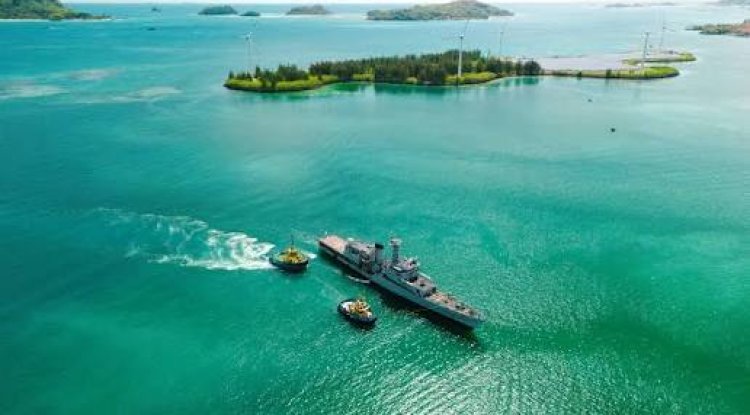
India Transfers Patrol Vessel, Emergency Assets to Seychelles to Support Maritime Security

India has transferred the "Made in India" Fast Patrol Vessel (FPV) PS Lespwar, along with medical ambulances, utility vehicles, and laser radial boats, to the Republic of Seychelles. The assets were handed over at the Seychelles Coast Guard Base in Victoria by the Prime Minister of India and Seychelles President Patrick Herminie. The transfer is part of India's MAHASAGAR (Mutual and Holistic Advancement for Security and Growth Across Regions) initiative, which focuses on strengthening climate resilience and supporting the Western Indian Ocean's Blue Economy.

For Small Island Developing States (SIDS) such as the Seychelles, maritime security is closely linked to environmental protection. Climate change and the illegal exploitation of marine resources threaten key sectors of the country's economy, including tourism and fisheries. The addition of PS Lespwar strengthens Seychelles' ability to patrol its 1.3 million sq km Exclusive Economic Zone (EEZ). Named after the Creole word for "Hope," the vessel will support efforts to tackle Illegal, Unreported and Unregulated (IUU) fishing and respond to marine pollution incidents, including oil spills that could harm coral reefs and other sensitive marine ecosystems.

The transfer will also involve the provision of advanced life-support ambulances and utility vehicles to bolster the nation's capabilities of responding to disasters. Climate change has increased the frequency of extreme weather conditions due to warming ocean temperatures within the region, putting increased strain on emergency responders. The additional vehicles will assist local authorities in providing a quicker response to climate-induced emergencies without necessarily depending on humanitarian aid from outside parties.

This transfer is clear evidence of how regional cooperation can contribute to improving not only maritime security but also environmental protection. This transfer also aligns with the Sustainable Development Goals of the United Nations, including Goal 14 and Goal 13.

Share: