India’s fisheries and aquaculture sector continues to support livelihoods, nutrition, exports and sustainable blue economy goals through growing production and infrastructure development.
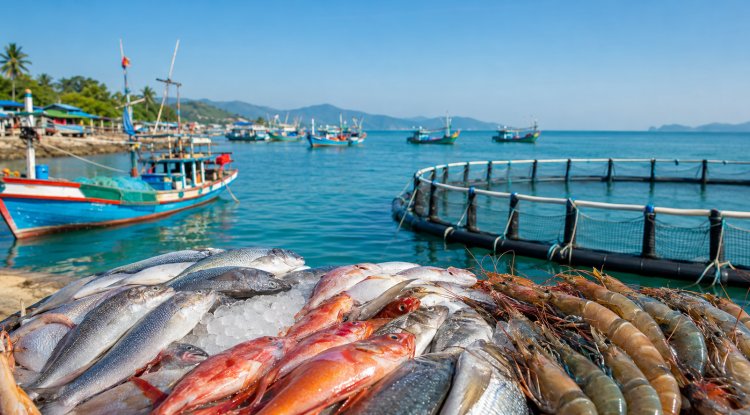
The government has issued a detailed factsheet covering various developments and performance parameters in the marine fisheries and aquaculture sector and its role in ensuring livelihoods, nutrition, exports and achieving sustainable blue economy.
India's fisheries industry is growing steadily and in recent years the total combined production from marine & inland fisheries exceeds 17 million tonnes, the report says. This growth has supported the livelihoods of millions of fishers, fish farmers and allied workers, especially in coastal and rural areas. It's also a key contributor to the national nutrition strategies through provision of high-quality protein and micronutrients to a wide spectrum of the population.
Marine fisheries, which consist of capture fisheries across India's coastal states, continue to be an important contributor of total output with mechanical and motorised fishing having enhanced efficiency and productivity. At the same time, aquaculture (fish culture and other aquaculture facilities) has grown rapidly, and India is one of the biggest producers of farmed fish, shrimp and molluscs in the world. Advancements in seed production and feed formulation and disease control have contributed to the more robust competitiveness and sustainability of aquaculture.
The factsheet also states that seafood industry is foreign exchange earner. Export statistics indicate good results, with moving fish and fish products to important markets globally such as Asia, Europe and North America. Marine products like shrimp, tuna, annseal and high value cold water products play an important role in the trade balance of the country.
In the interest of sustainable growth, the government has stressed on reforms and investments in projects such as infrastructure, cold chain project, coastal surveillance and projects for the modernisation of fishing harbours and traceability systems. Under the umbrella of the Blue Economy, initiatives involve the harmonious use of marine resources in conservation of the ecosystem in order to minimise overfishing and improve the livelihoods of those living in coastal areas.
Capacity building and welfare programmes such as the provision of credit facilities, insurance and skill formation have been expanded to enable effective engagement of the small fishers and farm families in the growth of the sector. The factsheet highlights the importance of measures that promote resilience, climate adaptation and sustainable fishing practices, to safeguard aquatic resources and ensure their future productivity.
According to the government, the factsheet aims to help policymakers, industry stakeholders and citizens better understand the growing role of fisheries in India's economy and its contribution to sustainable development.
What's Your Reaction?