India has proposed eliminating tariffs on American goods, according to President Trump. This development marks a significant shift in U.S.-India trade relations, with potential impacts across various sectors.
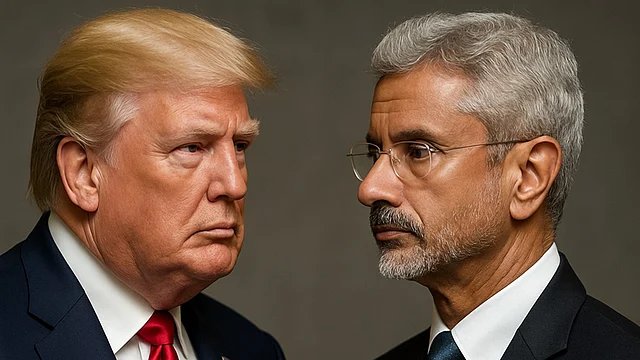
On May 15, 2025, U.S. President Donald Trump announced that India has proposed eliminating tariffs on American goods, signaling a significant development in the ongoing trade discussions between the two nations. Speaking at a business roundtable in Doha, Trump stated that India, previously characterized by high tariff rates, is now offering a deal with "basically zero tariffs" on a wide range of U.S. products.
This announcement follows a series of trade tensions between the U.S. and India. Earlier, the Trump administration had imposed a 26% reciprocal tariff on Indian goods, which was temporarily paused to facilitate negotiations. India's average weighted tariff rate stood at 7.7%, with a simple tariff average of 15.9%, according to World Trade Organization data.
While President Trump's remarks suggest progress, Indian officials have indicated that discussions are still ongoing. Commerce Secretary Sunil Barthwal informed a parliamentary panel that no commitments have been made regarding tariff reductions, emphasizing that any agreement would need to be mutually beneficial.
The proposed tariff eliminations could have significant implications for various sectors, including agriculture, chemicals, and information technology. India's policy proposals aim to reduce tariffs on imports from the U.S. in these sectors, potentially enhancing bilateral trade.
The Indian Ministry of External Affairs has stated that the objective of the ongoing negotiations is to strengthen and deepen two-way trade in goods and services, increase market access, and reduce tariff and non-tariff barriers.
As discussions continue, the outcome of these negotiations will be closely watched by stakeholders in both countries, given the potential impact on trade dynamics and economic relations.
Source: Outlook Business
What's Your Reaction?