Ineos Invests $40M To Cut Emissions At UK Plant
INEOS completes $40M hydrogen shift at UK site, slashing emissions by 75% and boosting sustainable output.
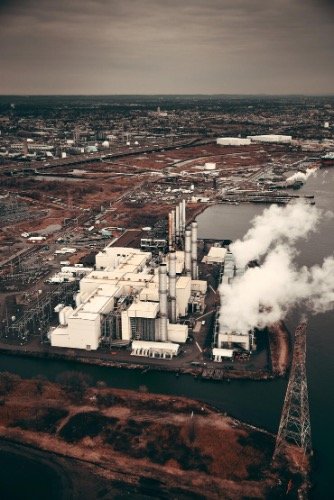
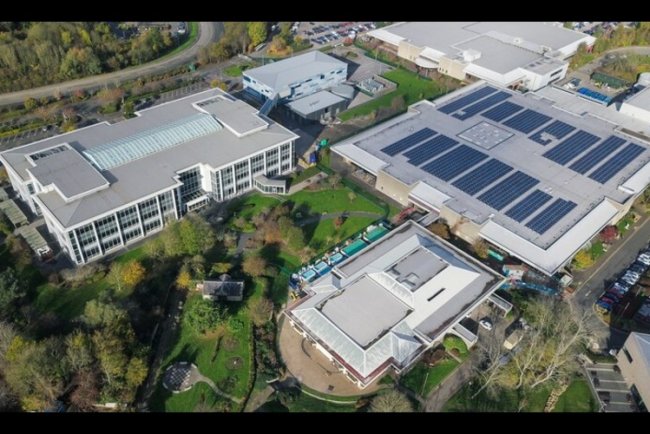
A major milestone in industrial decarbonisation, INEOS, a leading chemical manufacturer worldwide, has spent £30 million (about $40.4 million) at its British factory in Hull. The high-level investment has rebuilt the site's energy operation to allow it to operate on hydrogen instead of natural gas. The switch has already led to an overall 75% drop in carbon emissions from the site, a big step up in INEOS' wider sustainability plan.
Situated on the east coast of the UK, the INEOS Hull site is the seat of its Acetyls business and the biggest acetic acid, acetic anhydride, and ethyl acetate manufacturer in Europe. Chemically versatile, acetic acid has a huge number of applications—it ranges from food preservatives and pharmaceuticals to inks, cleaners, coatings, fabrics, and packaging. The transition to hydrogen power not only cuts on-site direct emissions but also makes possible the cutting of emissions along the supply chains of different industries that use such chemicals. By cutting its own carbon footprint, INEOS is helping downstream manufacturers cut their Scope 3 emissions, thereby once again underlining the interdependent nature of climate action across sectors.
Hydrogen is rapidly being considered as a major facilitator of the shift to clean energy, particularly for those industries with difficult-to-abate emissions through traditional renewable sources such as wind or solar. For others like heavy industry and transport, hydrogen represents a fuel option that, when produced sustainably, can potentially reduce greenhouse gas emissions considerably. One of the largest challenges of producing the hydrogen remains. Almost all hydrogen utilized now comes from fossil fuels and is produced, for example, through heavily polluting and carbon-intensive steam methane reforming processes. That has created increasing concern at the real environmental cost of hydrogen unless produced on low-carbon basis.
INEOS' route in its Hull plant is trying to skirt that problem. The company says that the hydrogen used on the site is not taken from outside but is generated as a by-product of the current production processes. Use of "by-product hydrogen" makes the fuel have no additional emissions during its production and is an eco-friendlier approach. INEOS thinks this approach is not only efficient but also scalable for the industry. It is a model that the company believes is replicable to stimulate similar activity within other industrial complexes, and this will make the wider chemical manufacturing industry decarbonise.
INEOS has incorporated this investment within its group-wide strategic plans to achieve net zero greenhouse gas emissions by 2050. The company has established a GHG management system across the group designed to cut systematically its emissions of operation. The Hull project is among a number of decarbonisation projects that are in development at INEOS facilities in Europe and the UK. The company committed to linking its operations and investment strategy to the world's transition to climate neutrality, and this hydrogen conversion is an important part of following through on that commitment.
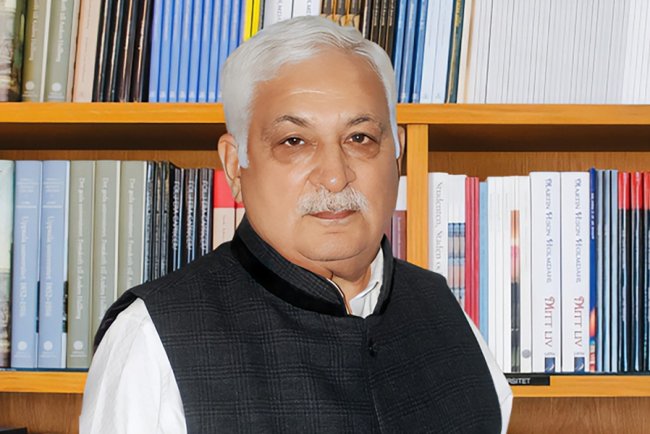
INEOS Acetyls CEO David Brooks underscored the significance of this project not only for the reduction of emissions, but to ensure the competitiveness of UK chemical industry in an increasingly global economy. "Like other chemical companies in the UK, we are struggling to compete in world markets while simultaneously having some of the highest energy and carbon costs anywhere in the world," Brooks said. This investment is part of our next moves in offering the UK and European markets with highly reliable and low carbon products.
Brooks' experience highlights a wider issue in the manufacturing industry: UK energy and carbon expense, making production competitiveness a struggle with being able to meet targets for climate change. Initiatives such as Hull are designed to demonstrate that economic efficiency and environmental concern are not mutually exclusive, especially if there is innovation driving designs forward.
The achievement of the hydrogen conversion in Hull is a demonstration of the way industrial sites can shift to low-carbon production without reducing production or reliability. With continued regulatory pressure, investor expectations, and climate risk, businesses such as INEOS are under greater and greater scrutiny to deliver tangible action on sustainability. The Hull project, both by providing emissions reductions and round-the-clock product availability, sends a message that such changes are not only wanted but are also possible.
While the chemistry industry is struggling to reconcile competitiveness with decarbonisation, INEOS's $40m investment is a significant model of industrial innovation in accordance with climate ambitions. Whether a model that is extendable elsewhere on more extensive scales at other sites is possible is doubtful, but activity at the Hull facility is a hopeful model for low-carbon manufacture to follow.
What's Your Reaction?