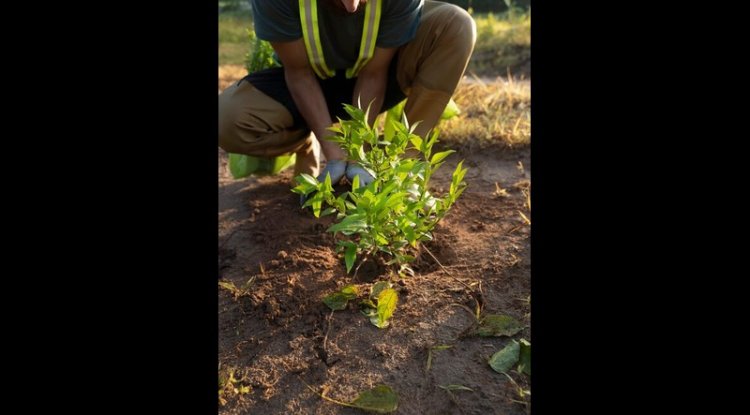
ITC restores coastal ecosystems and protects Olive Ridley turtles in Andhra Pradesh.

New Delhi, 22 May: ITC Limited has enhanced its biodiversity conservation efforts by restoring mangroves and protecting coastal ecosystems in Andhra Pradesh. This comes as the world observes the International Day for Biological Diversity, which focuses on ‘Acting Locally for Global Impact’. The initiative is part of the company’s broader sustainability strategy that emphasizes climate resilience, restoring ecosystems, and engaging communities.
The company reported that its biodiversity conservation program, carried out in collaboration with state governments and development organizations, has covered nearly 7.8 lakh acres across 10 Indian states. Under its Sustainability 2.0 plan, ITC aims to expand this coverage to one million acres by 2030. This will involve restoring degraded grazing lands, village forests, water bodies, watersheds, and rural commons.
Coastal Ecosystems Under Pressure
India’s coastal ecosystems are increasingly threatened by climate change, which causes cyclones, rising sea levels, saline intrusion, and coastal flooding. Mangroves are vital for their ability to reduce coastal erosion, absorb storm surges, and store significant amounts of carbon.
According to the company, mangroves are blue carbon ecosystems that can store 7.5 to 10 times more carbon per acre than tropical forests. India’s mangrove ecosystems support over 4,000 species, including more than 920 plant species and around 3,090 animal species, making them critical for biodiversity.
Andhra Pradesh Mangrove Restoration Initiative
Initiated during FY 2023–24, the mangrove conservation program in Andhra Pradesh aims to restore ecologically sensitive coastal areas while improving the livelihoods of fishing communities reliant on marine resources.
The initiative collaborates with the Andhra Pradesh Forest Department, district administration, and Tree Foundation. The program uses a community-led, science-based restoration approach to ensure long-term ecological sustainability.
The company reported that nearly 1,500 acres of mangroves have been restored and conserved since the program began. Local communities have been actively involved in planting, monitoring, and conservation efforts along vulnerable coastal areas.
Olive Ridley Turtle Conservation
The biodiversity initiative also includes efforts to conserve the Olive Ridley sea turtle, which is categorized as vulnerable by the International Union for Conservation of Nature. Conservationists emphasize the connection between turtle survival and healthy mangrove ecosystems that provide nesting habitats and support marine biodiversity.
To enhance nesting protection, six hatcheries have been set up at vulnerable coastal locations, with help from the Forest Department. Community-led Sea Turtle Protection Forces, made up of local youth and fishers, assist with beach patrols, nest monitoring, and hatchery management during nesting seasons.
By FY 2025–26, more than 250 Olive Ridley nests were protected under this initiative, leading to the successful release of over 23,700 hatchlings into the sea. Environmental experts note that stronger turtle populations benefit marine food chains and improve fish stocks, directly supporting coastal livelihoods.
Community Participation and Climate Awareness
The program has also boosted climate awareness in coastal villages like Yetimoga in Andhra Pradesh’s Bapatla district, where communities suffered significant damage during the 2004 Indian Ocean tsunami. Residents engaged in restoration efforts have noted how mangroves help reduce the impact of climate-related disasters and protect coastlines.
Mr. Prabhakar Lingareddy, Executive Vice President and Head of Social Investments at ITC Limited, stated that achieving global environmental goals requires strong local participation and community-driven conservation. He added that the company aims to support nature-based solutions that protect ecosystems while securing livelihoods for communities reliant on these resources.
Restoration of Rural Commons
Beyond coastal ecosystems, the company’s biodiversity strategy includes restoring rural commons and agricultural landscapes through ecological regeneration and community management. The program has supported collective management of shared natural resources through over 8,000 village-level organizations involving nearly 40,000 community members, particularly in Rajasthan and Andhra Pradesh.
Restoration efforts include treating degraded grazing lands, village forests, and water bodies using GIS-based planning, soil and moisture conservation, native plantations, and measures to enhance biodiversity. The company collaborates with groups like Foundation for Ecological Security, BAIF, MYRADA, and DHAN Foundation for implementation.
Nature Reporting Framework
In 2025, ITC Limited also launched a Nature Report aligned with the Taskforce on Nature-related Financial Disclosures framework, making it one of the first Indian FMCG companies to do so.
The TNFD framework, backed by organizations like the United Nations Development Programme, UN Environment Programme Finance Initiative, Global Canopy, and World Wide Fund for Nature, allows companies to assess and report nature-related risks, dependencies, impacts, and opportunities as part of broader sustainability practices.
What's Your Reaction?