Japan’s Soluble Plastic Aims to Combat Ocean Pollution
Japan’s soluble plastic, dissolving in seawater within hours, aims to combat ocean pollution, offering a biodegradable alternative to conventional plastics.Japan’s soluble plastic dissolves in seawater, targeting ocean pollution and offering a sustainable alternative to reduce microplastic risks globally.
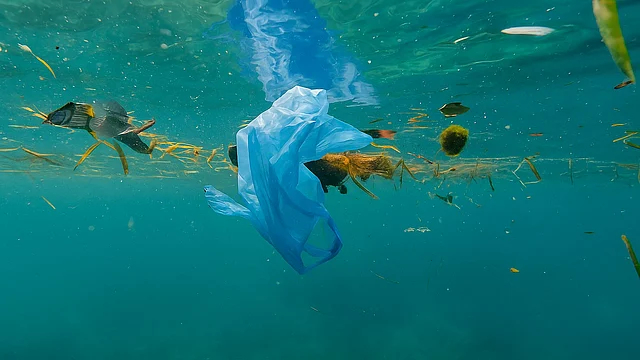
On June 4, 2025, Japanese scientists unveiled a soluble plastic that dissolves in seawater within hours, offering a potential solution to ocean plastic pollution, which affects 80% of marine litter. Developed to mimic petroleum-based plastics’ durability while breaking down into biodegradable components, this innovation could reduce the 11 million tonnes of plastic entering oceans annually. The initiative aligns with global efforts to address environmental challenges, including India’s plastic waste crisis.
Ocean plastic pollution, with 8 million metric tons entering marine ecosystems yearly, threatens marine life, food chains, and human health through microplastics. Japan, a leader in environmental innovation, has developed a soluble plastic that dissolves in seawater in 2–12 hours, breaking down into components processed by bacteria, avoiding microplastic formation. The material, durable when coated, is suitable for packaging and fishing gear, major sources of ocean waste. On land, a 5 cm piece disintegrates in over 200 hours in salty soil, reducing environmental persistence.
The development, a collaboration between Japanese universities and industry, responds to the 2022 UNEP report urging a lifecycle rethink of plastics. Japan’s initiative complements global efforts, such as the UN’s draft plastics treaty expected by 2025, and India’s Plastic Waste Management Rules, which mandate EPR for recycling. The soluble plastic could replace single-use plastics (SUPs), responsible for 70% of ocean litter, though scaling faces challenges like high production costs ($5/kg vs. $1/kg for conventional plastics) and limited coating technology for mass application.
India, generating 9.3 million tonnes of plastic waste annually, could benefit from this technology, as 80% of its marine litter originates from uncollected waste. The country’s recycling rate, at 15–20%, lags due to inadequate MRFs, with only 1,000 facilities operational. Japan’s soluble plastic could reduce reliance on fossil fuel-based plastics, which contribute 6% of India’s CO₂ emissions. However, adoption requires investment in production facilities and regulatory incentives, as India’s EPR framework focuses on recycling rather than alternatives.
Economically, the innovation could create 5 billion in green jobs globally by 2030, particularly in manufacturing and waste management. In Japan, the project supports 10,000 jobs in R&D and production, boosting the $2 billion bioplastics market. Environmentally, reducing ocean plastic could save 1 million marine animals annually, as plastic kills 100,000 species yearly through entanglement and ingestion. The technology aligns with Japan’s net-zero emissions goal by 2050, complementing initiatives like its methanol-powered tanker, which cuts emissions by 40%. previous
Challenges include global supply chain integration. Sustainable methanol production, critical for e-methanol-based plastics, is limited, requiring renewable energy scaling. Coating methods to ensure durability during use need refinement, as premature degradation risks product failure. In India, weak enforcement of PWM Rules, due to understaffed agencies, and consumer resistance to higher-cost alternatives hinder adoption. Public awareness, as noted in a 2025 Outlook Planet report, is low, with 60% of consumers unaware of plastic’s health impacts, complicating behavioral shifts.
Globally, the U.S.’s reversal of plastic bans and India’s sports retail initiatives highlight diverse approaches. The Trump administration’s dismissal of climate science, including the National Climate Assessment, risks slowing global cooperation on solutions like soluble plastics. India’s barcode tracking for plastic packaging, starting July 2025, could support traceability if extended to bioplastics. Startups like Ecokaari, recycling 1 tonne of plastic monthly, show grassroots potential, but scaling requires public-private partnerships. previous
The mental health toll of ocean pollution, linked to climate uncertainty, affects youth globally. Japan’s innovation indirectly addresses this by reducing environmental degradation, though broader education is needed to mitigate emotional distress. The technology’s success depends on cost reduction and global adoption, particularly in high-pollution regions like India and Nigeria, which generate 3.9 million tonnes of plastic waste annually.
Conclusion
Japan’s soluble plastic offers a promising solution to ocean pollution, with potential to reduce marine litter and microplastic risks. While economic and technical challenges persist, the innovation aligns with global sustainability goals and could transform waste management in countries like India. Policy support and investment are critical to scaling this technology for widespread impact.
Source: Outlook Business
What's Your Reaction?