Karnataka's electricity regulator has proposed lower rooftop solar tariffs for future installations, a move that could reduce export earnings for new solar consumers while reflecting falling system costs.
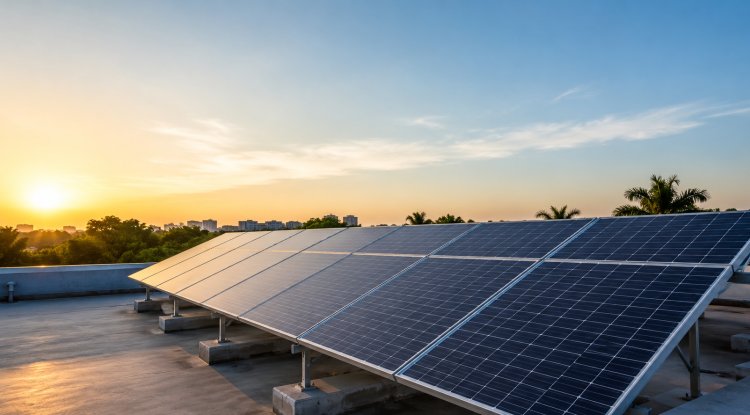
The Karnataka Electricity Regulatory Commission (KERC) has proposed a reduction in tariffs for new rooftop solar installations as part of a broader framework for solar power projects covering the period from July 2026 to June 2029. The proposal could lower earnings for future rooftop solar consumers exporting electricity to the grid, while existing installations are expected to remain unaffected by the revised rates.
According to a discussion paper released by the regulator, the proposed tariff revision reflects the declining cost of solar equipment and the increasing adoption of distributed solar systems across the state. The new framework aims to update compensation rates for electricity generated by rooftop solar systems commissioned during the upcoming control period.
This proposal has led to debate in the industry, with some people saying that reduction in tariffs could increase the payback period of solar investments on rooftops. However, others believe that despite the reduction in compensation rates, solar installations on rooftops remain economically viable due to installation cost reduction and government incentives.
Karnataka has been one of India's leading states in rooftop solar adoption and has introduced several policy measures in recent years to expand distributed renewable energy generation. The state regulator previously broadened the scope of rooftop solar by introducing the Distributed Solar PV (DSPV) framework, allowing installations on building facades, elevated structures and carports in addition to conventional rooftops. Virtual net metering and group net metering mechanisms have also been introduced to encourage wider participation in solar energy generation.
This tariff structure has been proposed as part of Karnataka's attempt to bring solar tariffs in line with the prevailing market conditions. It is worth noting that Karnataka has experienced considerable growth in solar installations in the past decade. In the process, the state has contributed to the achievement of India's clean energy objectives.
Industry stakeholders are expected to give their views and suggestions before the order on tariffs is finalised by the commission. The result of the consultations may impact the rate at which the installation of rooftop solar panels will happen in the future.
The proposal has come up at a juncture where states in India have begun to revisit their renewable energy policy frameworks in order to achieve an equilibrium between consumer incentives, grid management needs, and the sustainability of the electricity network infrastructure. With the expansion of rooftop solar power capacities across India, tariffs have emerged as an important consideration for the project’s viability.
What's Your Reaction?