New data from the European Environment Agency shows Europe generates 15.2 million tonnes of textile waste each year, highlighting challenges in waste management and resource use.
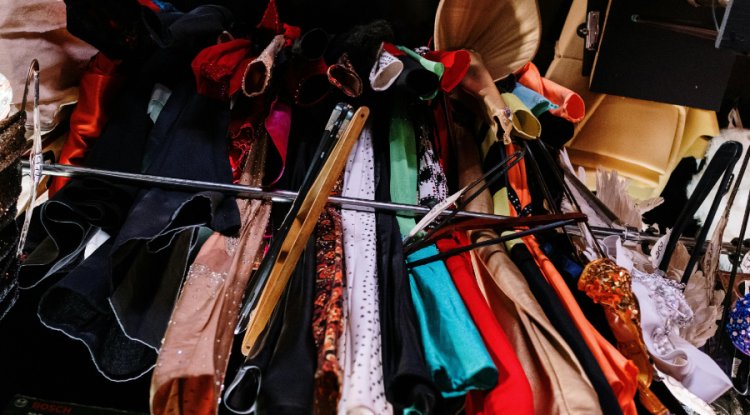
According to the European Environment Agency, Europe produces about 15.2 million tons of textile waste every year, which shows how much waste is either created in the process of making clothes or how much is generated from wearing them.
The EEA estimates that every person in the EU generates around 16kg of textile waste each year. The textile waste stream covers all kinds of textile products, including clothing, footwear, household textiles, and any other textile-based products; However, many of those products have relatively little life before they are discarded.
As a result of this consumption growth, an increasing amount of textile waste has made it into the waste stream. Many of these discarded textiles have entered the waste stream due to the growing demand for clothing, especially low-cost and rapidly changing fast fashion garments. Many of the textiles that are discarded are either reused or recycled; however, a large percentage are being landfilled.
The European Environmental Agency recognizes that managing textile waste efficiently will be a key strategy in the continuing development of the circular economy in Europe. Circular economy initiatives focus on extending the lifetime of products and materials via repair, reuse, resale, and recycling.
To assist these initiatives, individual EU member states are implementing expanded textile waste collection systems that are separate from general waste collections. Governments are also developing regulations that will improve the accountability of producers for their products at the end of their lives.
However, many experts in waste management maintain that simply implementing collection and recycling systems will not lead to significant reductions in the generation of textile waste. The amount of textile waste produced is influenced by the way textiles are designed and the types of materials used to create them; the manufacturing processes employed by manufacturers; and buyer behaviors.
The data illustrate the larger challenge that the textile industry faces as governments continue to try to balance consumption patterns with environmental policies. As textile consumption continues to rise, the success of current policies designed to reduce the generation of textile waste, encourage reuse, and promote recycling will greatly affect future volumes of textile waste.
What's Your Reaction?