Square Yards has launched a sustainability rating framework for housing projects, highlighting the need for easier comparison of green features in residential developments.
Homebuyers in India can easily compare factors such as price, location and amenities when choosing a property. Understanding how sustainable a housing project is, however, remains far more difficult, according to a report released by property technology firm Square Yards.
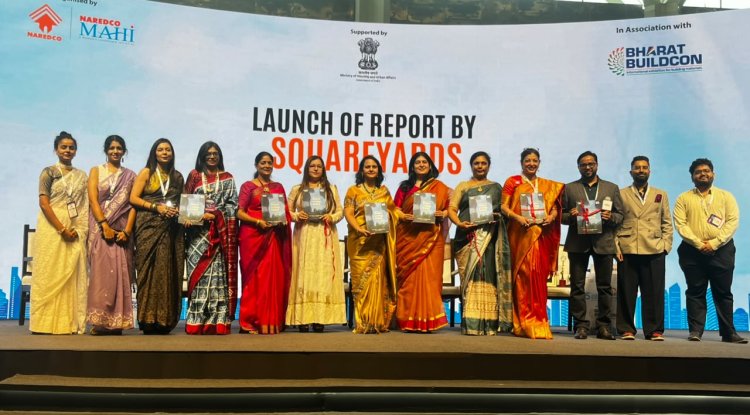
The report, Green Living Index: Bringing Transparency to Green Residential Development, was unveiled at an event organised with NAREDCO MAHI in New Delhi.
There are over 19,700 green buildings in India, yet there isn’t any common platform that makes it possible for consumers to compare the sustainability aspects of different residential projects. The information is often available through certification programs, technical literature, and other disclosure statements by the developers, but comparing various projects becomes difficult.
Square Yards, which is a leading real estate advisory firm in India, has therefore come up with the Square Yards Green Living Index (SYGLI). SYGLI has been created in collaboration with The Habitat Emprise, a sustainability research firm. SYGLI evaluates projects based on criteria related to resource efficiency, health & comfort, safety, resilience & connectivity.
The results show that green residential projects can cut down water usage by 30 to 50 per cent, and energy expenses by 20 to 30 per cent. Thus, green housing may result in reduced utility payments for homeowners.
This methodology is based on information collected from RERA documents, developer presentations and geospatial data and transformed into an objective score that will make it easier for customers to comprehend the sustainable nature of the project.
Addressing the audience at the launch event, Square Yards Co-Founder and CTO Vivek Agarwal said that consumers require sustainability information that would be easy to comprehend and compare. NAREDCO MAHI Chairperson Smita Patil stressed that today homebuyers are more concerned about environmental impacts, livability and resilience against climatic changes.
The release of the index comes amid rapid urban growth in India. The report estimates that nearly 400 million additional people could be living in urban areas by 2050, while the country's housing stock is expected to expand considerably over the coming decades.
It also highlights the environmental footprint of the construction sector, which contributes significantly to India's greenhouse gas emissions.
Separately, Union Housing and Urban Affairs Minister Manohar Lal Khattar recently said India should explore technologies that can extend the lifespan of buildings beyond current norms wherever practical.
As sustainability becomes a larger consideration in housing, access to clear and comparable information may play a bigger role in how homebuyers evaluate residential projects.
What's Your Reaction?