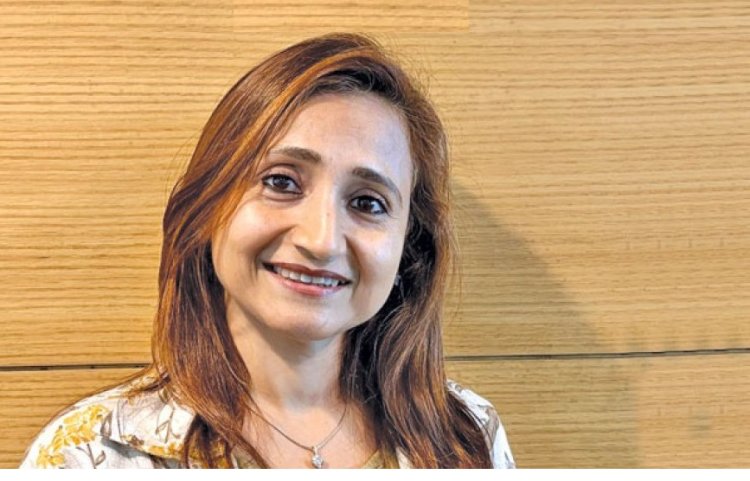
Namrata Nulwalla, Chief Sustainability Officer, Rustomjee Group, says the conversation around sustainability has changed; it is no longer seen as optional
Kasara is a small town at the edge of the Sahyadri hills. It is quiet, green, and mostly known as a stopover on the Mumbai-Nashik route. It is not the kind of place where one expects long conversations about climate design or net-zero buildings. But that is where Rustomjee chose to test a different idea.
Belle Vue, its first plotted development here, was planned with climate questions at the centre. Not as an add-on. Not as a checklist. But as something that would shape how the land is used and how people might live on it.
Namrata Nulwalla, Chief Sustainability Officer at Rustomjee, says the project gave them space to think differently. This was not a high-rise in the city. It was land with trees, slopes, and natural water bodies. “The site itself told us what we should and should not do,” she says.
Instead of clearing the land, the existing green cover was kept. Water bodies were strengthened so rainwater could be stored and reused. The idea was simple. If the land already has water and trees, work with that. Over time, the team realised the site could meet its own water needs. No tankers. No outside supply.
Kasara also gets sunlight for most of the year. Around eight to nine months, according to the team. That made solar power a natural choice. Energy demand was reduced first through design. After that, solar was used to meet what remained.
Two clubhouses inside the project later received Net Zero Carbon Design certification from the Indian Green Building Council. Nulwalla explains that this was not about one feature or one material. The team looked at the full life of the building. What goes into it. How it runs. And what happens years later.
This meant studying materials, energy use, water systems, and waste. It also meant making trade-offs. Some materials had to be sourced differently. Some systems took longer to plan. In the end, the buildings were able to cut carbon emissions by around 30 per cent compared to standard construction.
Weather played a big role in design choices. Kasara has heavy rain for a few months and strong sun for most of the year. Solar made more sense than wind. Cooling needs were reduced through passive ventilation and green roofs. Trees and plants were not just decorative. They helped cool spaces naturally.
Material sourcing was another challenge. Rustomjee follows a Green Procurement Policy that pushes for recycled and low-carbon materials. Local suppliers were preferred to cut transport emissions. Certifications mattered. This slowed things down at times, but the team stuck with it.
Water and waste systems were planned to work quietly in the background. Natural ponds were supported with new reservoirs. Wastewater is treated on site and reused for gardens. Wet waste is turned into compost. Dry waste goes to recyclers. Nothing flashy. Just systems that work.
Belle Vue is also a test case. It is still being built. The team is learning as they go. Some things work well. Some need adjustment. But the learnings will shape future projects.
Nulwalla says the conversation around sustainability has changed. It is no longer seen as optional. Climate risks, water stress, labour issues, and rules now affect project timelines and costs. Buyers are also asking more questions. Many want homes that are safer for the future, not just bigger or shinier.
The land around Belle Vue played a role, too. According to a study, the trees and soil in the area can absorb over 13,600 tonnes of carbon dioxide. That is close to the emissions of thousands of cars in a year. The buildings were designed to sit lightly on this land, not fight it.
Net-zero buildings are still rare in India. Belle Vue faced problems. The land was uneven. Finding approved green materials was hard. Every key item had to meet strict standards. But the project moved ahead, backed by leadership that was willing to take the risk.
Belle Vue may not change Indian real estate overnight. But it shows what happens when climate thinking starts early. When land is read carefully. When systems are designed to last. It suggests that sustainability does not always need grand words. Sometimes, it begins with listening to the land and choosing not to rush past it.
What's Your Reaction?