Repsol Begins Power Generation At Chile Wind Project
Repsol starts electricity production at Antofagasta Phase 1, its largest wind farm in Chile, with €400M investment.
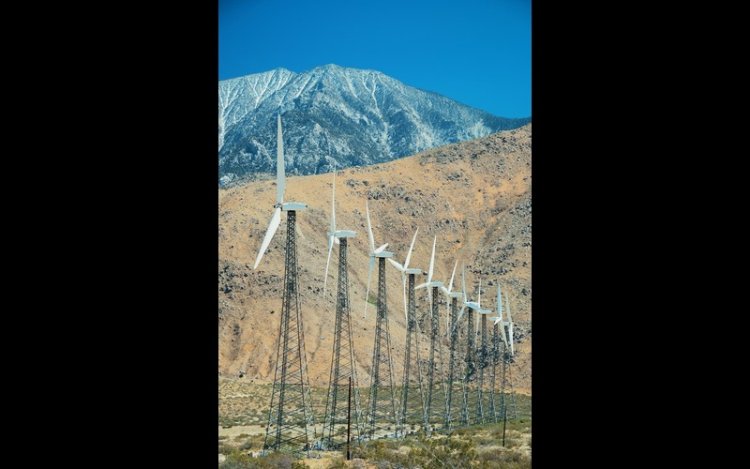
Repsol has started the production of electricity from its largest wind power scheme to date—the Antofagasta Phase 1—demonstrating a major advance in the efforts of the company to grow the business of renewable energy in Latin America. Its wind farm site is situated at Taltal in Chile's Antofagasta province. This wind farm not only represents a milestone achievement for the Spanish energy company Repsol but is also one of the most distinguishing renewable energy sites in the South American country.
The Antofagasta Phase 1 plant has an installed capacity of 364 megawatts (MW) and is projected to generate about 750 gigawatt-hours (GWh) of electricity per year. This production is enough to supply the energy needs of about 220,000 Chilean homes, giving a significant boost to the nation's renewable power generation. In Repsol's view, the project represents its first fully homegrown renewable project in Chile, a testament to its increasing autonomy in overseeing green energy assets across global markets.
The project had an investment of nearly €400 million and was constructed over a period of 19 months. It is likely to achieve full commercial operation in the weeks ahead, further consolidating Repsol's position as a serious player in the Latin American renewable energy market.
Antofagasta Phase 1 is also part of a larger development initiative in the area. Repsol has already made inroads on building phase two of the Antofagasta development, which is expected to bring in an additional 450 MW capacity to the overall facility. The expansion is a clear indication of the company's long-term vision to build more presence in Chile and the larger Latin American renewable energy market.
The Antofagasta development is distinct from Repsol's previous renewable projects in the country, including Cabo Leones III (188 MW) and Atacama (166 MW), which were developed in a 50:50 joint venture with the Ibereólica Renovables Group. Both phases of the Antofagasta wind farm are owned entirely by Repsol. This move toward complete ownership indicates the company's changing strategy and increasing confidence in independently developing and managing large-scale green infrastructure projects.
Repsol highlighted that renewable generation is one of the most important pillars of its energy transition strategy. With the integration of the Antofagasta wind farm, the company currently operates close to 4,000 MW of renewable energy capacity worldwide. Moreover, Repsol has a large development pipeline of 60,000 MW across different stages and geographies. This sizable pipeline indicates the company's strategic focus on ramping up its low-carbon energy mix amid a worldwide movement toward cleaner, more sustainable sources of energy.
The Antofagasta Phase 1 launch occurs at a moment when Repsol is becoming more sustainability- and climate-focused in its investments. The broader decarbonization plan of the company involves building out its portfolio of renewable energy assets, working on clean fuels like sustainable aviation fuel (SAF), and advancing energy efficiency across its operations.
The successful delivery of this project not only enhances Repsol's renewable credentials but also supports Chile's own plans to diversify its energy mix and lower its reliance on fossil fuels. Chile has been a leading country in Latin America in terms of the take-up of renewable energy, and projects such as Antofagasta are an important part of assisting the country in achieving its sustainability goals.
In a related development, Repsol recently joined forces with International Airlines Group (IAG) to sign the biggest sustainable aviation fuel agreement in Spain, another illustration of the company's forward-thinking strategy towards clean energy investments. These efforts combined reflect Repsol's larger vision of becoming a multi-energy company, dedicated to sustainable growth and aligned with worldwide climate goals.
While Antofagasta Phase 1 approaches its full commercial production and Phase 2 begins, Repsol's actions again reflect its commitment to being at the leading edge of the energy transformation. With strategic investments, technological capabilities, and a strong commitment to renewables, the company is redefining its future and playing a major role in the decarbonization objectives of the countries it operates in.
What's Your Reaction?