The demand for cooling has grown to the extent of selling over 15 million AC units across the country annually in 2018, which is expected to nearly double to 28 million units by 2030, against just 2 million ACs sold in 2006
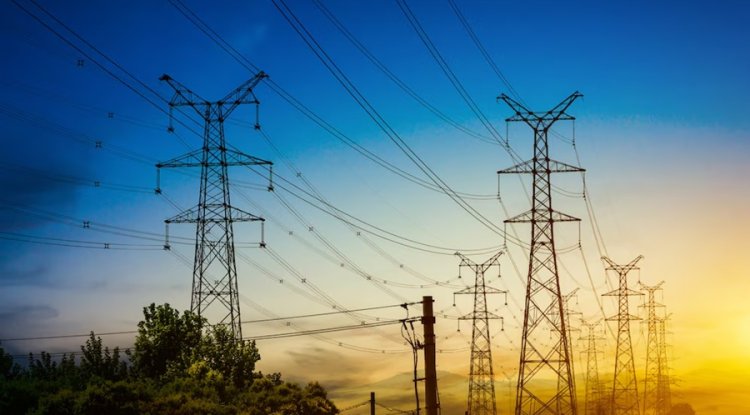
The increasing need for air conditioning, resulting from rising temperatures and rising per capita income, is putting India's electricity grid under strain, but inefficient policy systems may be exacerbating the problem, a Bloomberg report says. The intense heat of last month made India's electricity demand skyrocket, at least to a record high of 256.1 GW towards the end of the month on April 25, when thousands of air conditioners turned on a record 256.1 GW of electricity. However, as temperatures are forecast to stay high throughout the coming summer, operators of the electrical grid are growing increasingly anxious.
The demand for cooling has grown to the extent of selling over 15 million AC units across the country annually in 2018, which is expected to nearly double to 28 million units by 2030, against just 2 million ACs sold in 2006. The growth is putting immense strain on the already overburdened power system. Cooling currently represents some 50 GW of demand, which could rise to 180 GW by 2035, should trends in this area persist, according to the analysts.
The simplest solution is with more efficient refrigerants. Propane refrigerants (ROP) are not only much more energy efficient on the planet and MUCH less harmful to the atmosphere and climate, but they are also much more affordable than any of the commonly used refrigerants containing R32. In a recent 2024 study by India, it was said that R290 units can consume about 75% of the electricity of traditional ones, which can reduce the demand of the grid by tens of GWs during peak periods.
However, the existing standards in India greatly restrict the use of propane in ACs, thereby limiting their popularity across the nation. In other jurisdictions, such as the EU and China, regulators have increasingly begun to turn a blind eye to increasing the level of propane use; in India, that hasn't been the case, which is holding back the adoption of what may be one of the most important sources of grid relief.
With every heat wave that intensifies and sales of air conditioners climb new heights, energy planners believe two key policy changes and new energy safety standards are essential to stave off grid overloads — while keeping cooling costs down without disabled India's electricity-grid.
What's Your Reaction?