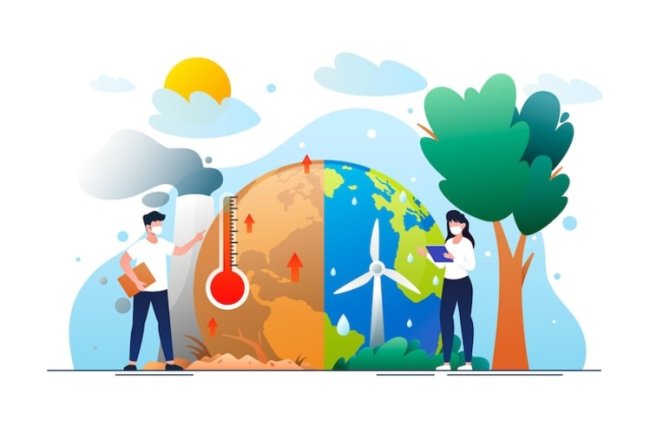
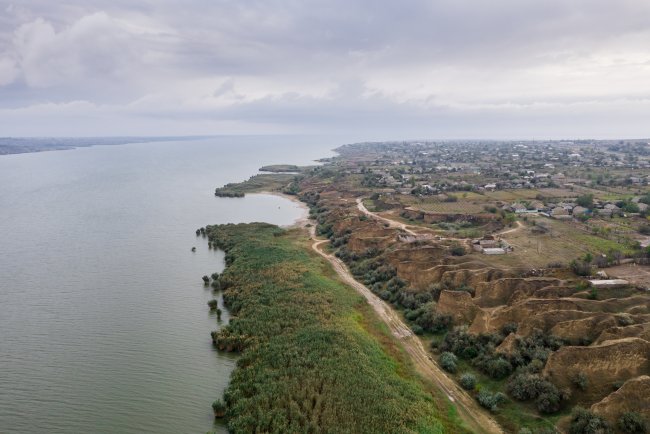
Scientists warn that rising global temperatures and prolonged drought conditions are increasing the risk of severe wildfires across many parts of the world.
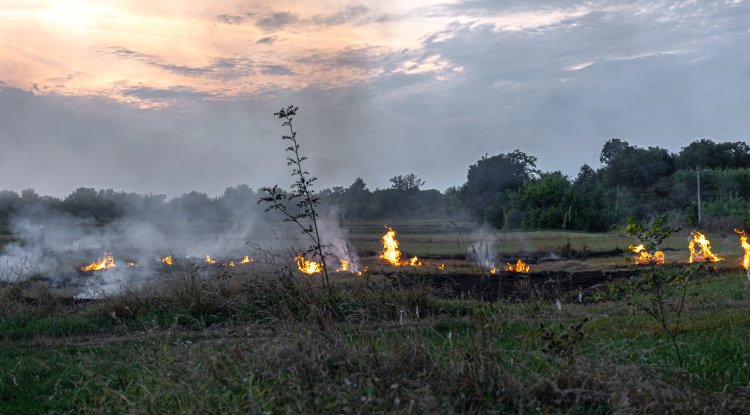
Recent research and climate data shows unprecedented temperature extremes and increasing climate fluctuations are driving fire outbreaks to record levels worldwide, indicating a state of alarm for scientists. The findings highlight the possible worsening of conditions in various parts of the world, creating a more favourable environment for general continental wide wildfires with the changes of temperature and weather.
Climate scientists have identified that there have been an unusually high number of fire events in areas where historical data indicates a fire event is unlikely to occur during 2025 and early 2026. High temperatures combined with dry spells and low rainfall have set a highly combustible condition in many places, causing vegetation, soil and forests to be readily ignitable. These overlapping stressors are not unique events, but are part of a series of global warming.
According to experts, rising atmospheric temperatures lead to an increase in how much that evaporates from forests and grasslands, which makes them drier longer and faster, and makes the fire season last longer in both tropical and temperate areas. When combined with human factors (such as land-use alterations, agricultural burning, and accidental wildfires), the contribution to increased wildfire frequency and intensity has ramped up significantly. The fires have an adverse impact on biological assets (ecosystems/biodiversity) as well as on public health, infrastructure, and local economies.
The report reveals that parts of Africa, Australia and Asia as well as North America through Europe have seen earlier and harsher fire seasons. Fire scientists stress that even areas that have historically faced low wildfire risk are now experiencing higher fire vulnerability due to heat stress over time and prolonged drought conditions.
Spatial area of fires in some landscapes is on the increasing above historical levels, suggesting a new pattern is emerging globally as observed from satellites. Such intense fire activity has the potential to increase in the future without a significant cut in global greenhouse gas emissions, researchers warn. They pushed for more effective adaptation planning, better fire planning practices, early warning systems, increased community resiliency, especially in areas that became subject to new fires, and robust mitigation programs.
The study results indicate the necessity to take action against climate change. According to scientists, without any action taken in order to address the effects of climate change on a global scale, the dangers will keep on increasing.
What's Your Reaction?