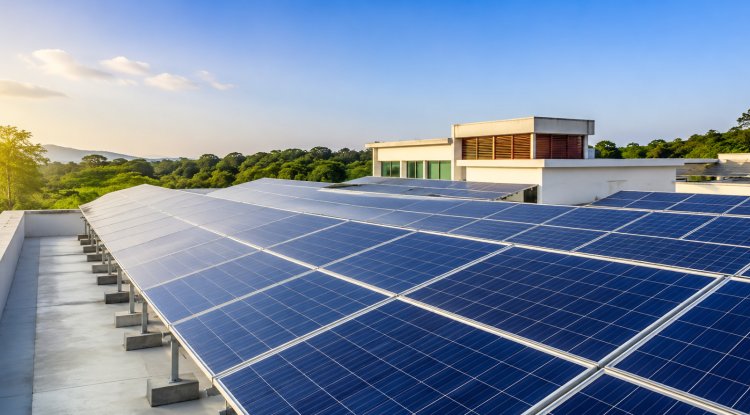
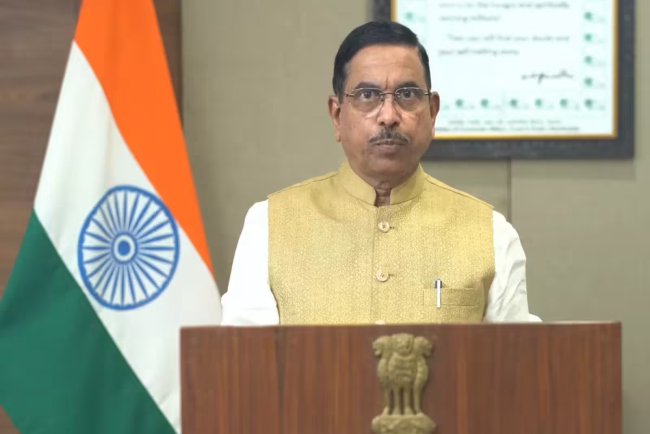
India is strengthening policies and recycling efforts to manage the expected surge in solar panel waste by 2030.
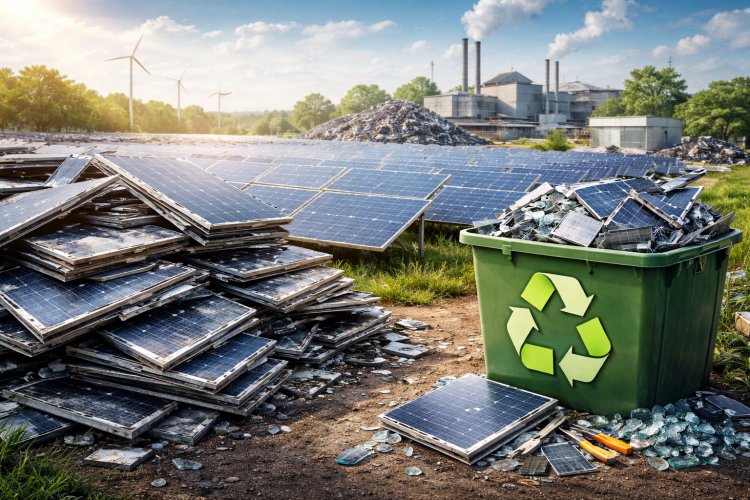
India could experience an increase in solar panel wastes over the next decade. This is based on an assessment by the Council on Energy, Environment and Water, with support from the Ministry of New and Renewable Energy (MNRE), indicating that the cumulative wastes from existing and proposed solar panels could be around 600 kilo-tonnes by 2030.
To help solve the problem of waste generated from solar panels, the government has implemented many new laws and policies governing how solar panels are recycled and what happens to old ones. In 2022 the Ministry of Environment, Forest and Climate Change issued regulations under E-Waste (Management) Rules that apply to electronic waste (including solar photovoltaic panels), and are responsible for establishing regulations for the recycling of solar panels. Additionally, the Central Pollution Control Board has created an extended producer responsibility (EPR) portal for producers to manage their products throughout the disposal and/or recycling process.
It was noted by the officials that several initiatives are being undertaken to develop recycling facilities in the country and promote a circular economy in the renewable energy sector. The government has constituted several committees to formulate plans to transition to a circular economy from a linear economy in several sectors, including solar panels. MNRE has constituted a separate committee to specifically address the circular economy of solar technologies.
Additionally, an “Innovation Challenge for Circularity in Renewable Energy Technologies – Batteries and Solar Photovoltaic” has been launched with the aim of supporting research and innovation in recycling processes and sustainable solar module and battery design.
The Department of Science and Technology has invited proposals with the aim of developing cost-effective technology in the recovery and recycling of solar photovoltaic panel waste with the involvement of academia and industry.
In addition, the Ministry of Mines has launched a recycling incentive scheme with a ₹1,500 crore outlay under the National Critical Mineral Mission. The goal is to enhance capabilities in the recycling of critical minerals contained in e-waste, lithium-ion batteries, and end-of-life vehicle parts.
These steps reflect a clear policy initiative to address solar waste management. The actual effectiveness of this management will, however, be seen in the implementation of recycling facilities in the future.
What's Your Reaction?