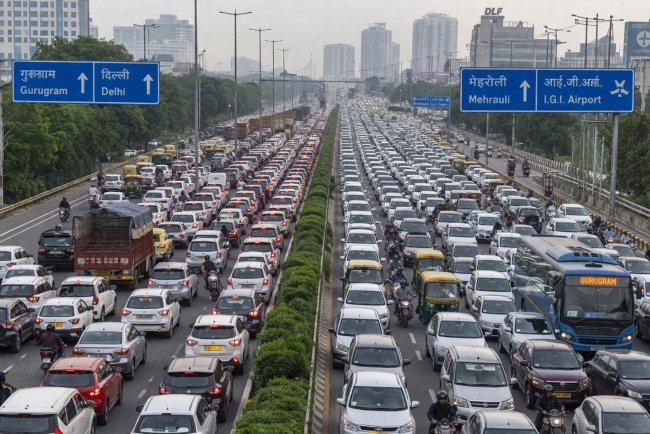
A Climate Analytics report says extreme heat across South Asia is driving electricity demand, exposing grid constraints and increasing reliance on fossil fuels despite growth in renewable energy.
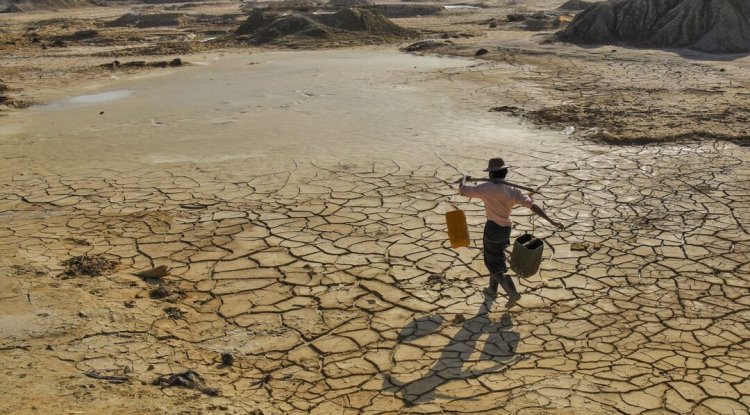
High temperatures in South Asia have increased electricity demand due to weaknesses in power infrastructure and reliance on fossil fuels, according to a Climate Analytics report.
According to the report, temperatures exceeding 45°C have been observed in some areas of India, Pakistan, and Bangladesh. Furthermore, it has also pointed out that climate change has tripled the likelihood of such extreme temperature events happening in the region.
Due to high temperatures, there has been an increase in cooling in homes, business establishments, and industrial and agricultural settings, leading to higher electricity demand. The report further noted that fossil fuels continue to be used to generate the extra electricity, contributing to carbon dioxide emissions.
In India, the contribution of cooling to the overall increase in electricity demand has averaged around 30% annually on a year-on-year basis in April-June 2024. Coal still accounts for over 70% of the electricity produced in India, even as renewable energy production increases.
For Pakistan and Bangladesh, there are more problems due to their heavy reliance on imported fuels. The report pointed out that due to high fuel prices and increased electricity demands, there is an increased likelihood of power shortages. Similar circumstances had been witnessed following the disruption of global energy markets after the invasion of Russia into Ukraine.
According to the report, the recent heat wave has shown weaknesses in the transmission and distribution systems for electricity. There were localized power blackouts in several Indian states, even though there was adequate generation capacity at a national level.
Bangladesh had a shortage of 16% in electricity generation in the month of April 2026 due to the heat wave. Disruptions in fuel supplies caused power cuts to occur for 10 hours in some rural areas. Electricity and water shortages also occurred in Karachi.
There is an increase in the capacity of renewable energy in South Asia, but grid infrastructure cannot keep up. The report stated that renewable energy sources satisfied 33% of India's electricity demand at its peak on 23 May 2026. There is a reduction in the production of solar energy once night comes, despite high electricity demand in the evenings. Solar energy has been installed in Pakistani rooftops, but due to inadequate battery storage, there is low production of electricity in times of peak electricity demand in the evening.
The report also highlights the investment in projects based on fossil fuels in the region. India had 260 GW of capacity of renewable energy in 2025, and new coal power generation was approved. Bangladesh and Sri Lanka depend on fossil fuel imports as they develop renewable energy production.
The areas identified by Climate Analytics where there should be more investment to help electricity systems in times of peak electricity demand include renewable energy, battery storage, transmission, and energy efficiency.
What's Your Reaction?