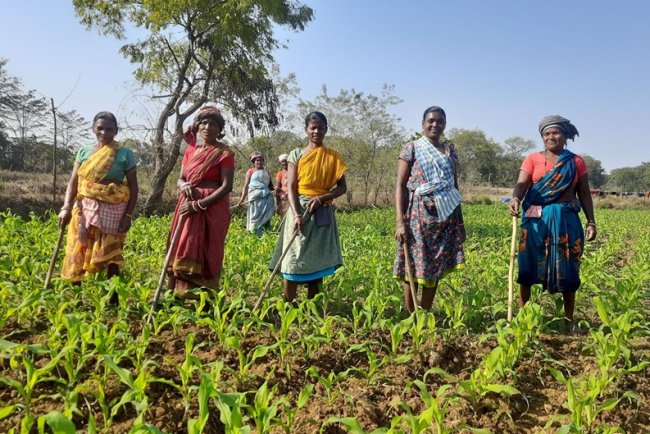
Mental health awareness, not just access to care, is the biggest challenge in rural India, where stigma and low literacy prevent people, especially women, from seeking timely help
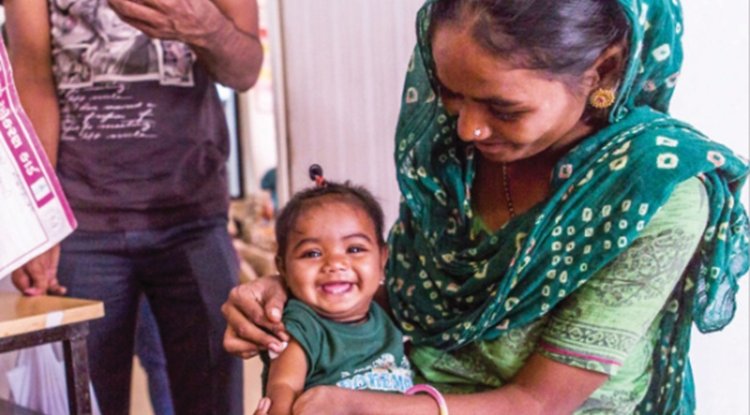
Mental health in India has reached a point where it can no longer be an afterthought. Cities have gotten somewhat better at talking about emotional wellness, but step outside them, into the small towns and villages where most Indians actually live, and the silence is still deafening. People aren't just avoiding care. Many don't even realise what they're going through counts as a health problem. Access to services matters, sure, but there's something underneath that: stigma.
Access Isn't Really the Problem
Ask most people what's wrong with healthcare in India, and you'll hear about doctors, hospitals, medicine costs, and diagnostic centres. Mental health barely comes up. And it's not because people aren't suffering. It's that they don't name it.
I've spent years working in rural and semi-urban communities, and if there's one thing that's become clear to me, it's this: the real barrier isn't the availability of care. It's awareness. You can't seek help for something you don't recognise as a problem in the first place.
Cities have made some progress here. Stress, anxiety, burnout — these words show up in office conversations now. Schools are starting to bring counsellors on board. Therapy isn't the taboo it once was, at least not everywhere.
Go beyond the metros, though, and the picture changes. Stress just gets absorbed into daily life. Exhaustion becomes normal. People carry sleepless nights, constant worry, even a sense of hopelessness — quietly, because they've never had the words or the confidence to say it out loud.
"Main Pagal Nahi Hoon"
There's a line I hear again and again in these communities:
*"Main pagal nahi hoon. Main psychiatrist ko kyun dikhaun?"*
*(I'm not mad. Why would I see a psychiatrist?)*
That one sentence says a lot. In many people's minds, mental health and serious mental illness are the same thing. So unless someone feels like they're at rock bottom, they never think to ask for help.
This is really a literacy problem. People know what fever looks like. They know diabetes, they know high blood pressure — decades of public health messaging have made sure of that. Mental illness hasn't had that same push. Anxiety gets waved off as overthinking. Depression gets mistaken for weakness. Burnout gets treated as just another cost of responsibility.
So people wait. They wait until the stress has worked its way into their bodies — headaches that won't go away, upset stomachs, insomnia, unexplained aches. They show up at a clinic complaining about the physical symptoms, while the actual cause goes completely unspoken.
No matter how many mental health services we build, the gap won't close until people understand what they're looking at.
Women Carry a Heavier Load
For women in rural and semi-urban India, there's an extra layer to all this.
In most households, a woman's needs come last. She's managing the kids, the house, the elders, everyone's demands — and quietly absorbing the toll it takes on her. Her own anxiety or exhaustion rarely feels urgent enough to bring up, because everyone else's needs always seem to matter more.
By the time she finally does ask for help, she's often been carrying that weight for a long time. That's exactly why better access to healthcare for women has to mean more than just physical health — it has to include this too.
Mental Health Belongs in Primary Care
One mistake we keep making is treating mental health like a separate system, walled off from the rest of healthcare.
But the first real conversation about someone's emotional state doesn't have to happen in a psychiatrist's office. It can start with a family doctor, at a local clinic, through a community health worker — the same people already trusted with everything else. Mental health needs to be part of the same conversation as nutrition, maternal health, or diabetes, not something separate and specialised.
And it has to be delivered the way people actually receive information — through voices they trust, in language they understand. Urban campaigns and Instagram posts don't reach a village clinic.
None of this means turning every hard day into a diagnosis. Life is going to have stress in it, always. The goal is simply to help people notice when that stress has crossed into something that's affecting their health and their relationships — and to make sure they know it's okay to say something.
India has made real progress on healthcare access. But that progress means little if people can't recognise when they need to use it. The future of mental health in small-town India comes down to one shift: turning stigma into empathy, and silence into conversation. Once people understand that mental well-being *is* well-being, they'll start reaching for help that was there all along.
The views expressed are personal
What's Your Reaction?