The United Kingdom has recorded its hottest June temperature on record as an intense heatwave disrupts schools, transport, healthcare and daily life while raising concerns over climate change.

The United Kingdom, which is accustomed to mild British summers, is finding itself in uncharted territory with an unforgiving summer heat wave, turning the typically mild British summer into a severe public safety crisis. The country has been seeing its historic June temperature records tumble one after another under the impact of a strong atmospheric phenomenon for the third day in a row. The latest data from the Met Office revealed that the temperature had reached a record 36.9°C in Suffolk, eastern England. After a historic series of high-temperature days, this extraordinary peak now represents the highest temperature ever recorded in the country during the month of June.
This weather system is a fast-moving and escalating situation that poses a serious challenge for the country. The record-breaking heatwave started earlier in the week with a 36.1°C reading in Hampshire, which was surpassed the following day by 36.7°C in Somerset, before Suffolk recorded the highest temperature. Even the nights have not provided any respite for weary communities. Cardiff recorded the lowest overnight temperature in Wales, but temperatures did not fall below 23.5°C. Traditional brick houses are structurally designed to retain heat during long winters and have therefore become "ovens", leaving residents with little way to cool their homes at night.
In these unprecedented circumstances, the Met Office issued a red extreme heat warning for three consecutive days across vast areas of southern and eastern England, an unprecedented event for the weather service. The public has been given a very clear message by emergency officials that this heat dome is so intense that people will have to rethink how they go about their daily lives. This is no longer a matter of common sense only for vulnerable populations, but a widespread disruption to daily activities, critical infrastructure and public health, affecting even active and healthy people who assume such extreme heat events are not serious.
The consequences of this pressure on the country's public institutions and infrastructure have been felt immediately. More than a thousand schools in England and Wales had to shut their doors or shift to alternative timetables due to repeated temperatures exceeding 40°C in classrooms. Education officials were extremely concerned about the safety of children who had to walk across unshaded tarmac playgrounds as the school term continues for several more weeks. At the same time, the transport system has come under significant pressure. Rail companies issued emergency alerts advising people not to travel unless absolutely necessary, while also imposing strict speed restrictions on trains over fears that prolonged direct sunlight could cause steel rails to buckle.
Beyond the immediate logistical disruption, a deeply sobering public health emergency is unfolding. Hospitals and emergency clinics have reported a significant increase in heat-related admissions, while power systems and data infrastructure have experienced localised failures due to overheating components. The urgency to escape the suffocating heat has also led to a second water safety crisis, as emergency services have responded to a rise in drowning incidents involving people travelling to unsupervised rivers, lakes and coastal areas.
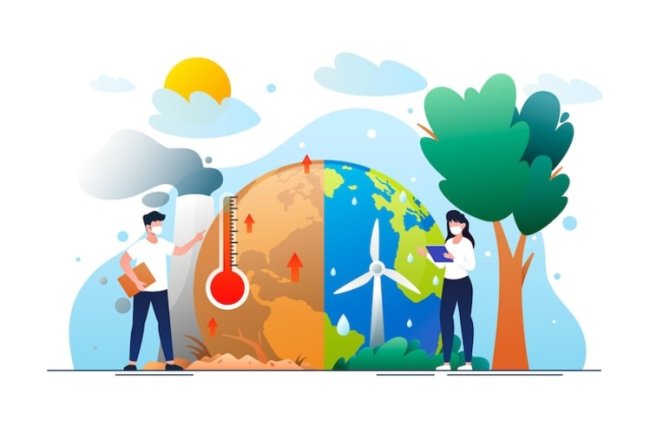
The heatwave that struck southern Europe last week bears a clear signature of global environmental degradation, according to climate scientists studying the event. The weather has remained trapped in an unusual pattern, influenced by a persistent high-pressure system over Western Europe, known as an "Omega block", which has pushed temperatures up to 18 degrees Celsius above normal. Experts say that a rise of this magnitude would have been statistically unprecedented in pre-industrial times, and such events are becoming more common and systemic.
Although meteorologists say this record-breaking spike represents the peak of this weather system before a front of thunderstorms arrives with cooler air, the implications are clear. This week has been a wake-up call for a country where domestic cooling remains limited and public buildings are largely designed for colder conditions. The consequences of climate change are no longer a policy discussion for the future but an immediate challenge that requires action today.
What's Your Reaction?