The 2025 UN Ocean Conference in Nice concluded with progress on marine conservation and high seas treaty ratification but lacked financial support for small island nations and did not address fossil fuels, a major driver of ocean damage.
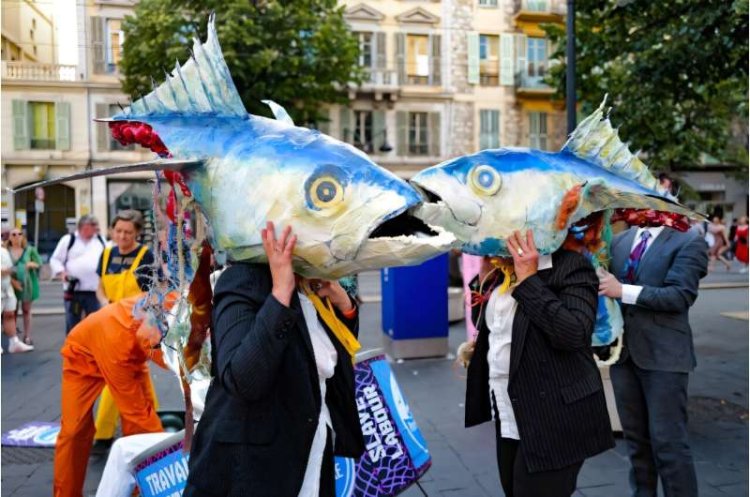
The United Nations Ocean Conference ended in Nice, France, as global leaders advanced towards the conservation of the oceans but did not grant economic assistance to developing island nations. Over 60 state leaders attended the five-day summit with thousands of policymakers, researchers, and conservationists. The summit was centered on discussing pressing ocean matters such as deep-sea mining, plastic pollution, and safeguarding marine life.
The meeting was the third in which UN member states formally convened on issues of the seas and the biggest of its type. It was a chance that nations such as Colombia, Greece, and Samoa took to commit to establishing new marine protected areas. Nations put on the agenda prohibitions on destructive fishing practices, such as bottom trawling, which have been under growing pressure in recent years.
One of the summit's primary aims was encouraging the ratification of the high seas treaty, an international agreement designed to protect sea life in the waters beyond the jurisdiction of states. High seas constitute roughly 60% of the waters on Earth. A total of 51 nations had ratified the treaty as of Thursday—still short of the 60 necessary to render it binding under international law. France, in whose nation the conference was taking place, wanted to see these 60 ratifications on the table when the conference concluded.
Diplomats also reaffirmed unwavering commitment for strong world rules against plastic litter. More than 90 ministers signed a joint statement in favor of negotiating an international agreement on plastic waste, calling on official negotiations to be resumed in August. The reaffirmation is an indication of enduring momentum towards ocean de-pollution through facilitation of globally concerted action.
Deep-sea mining was also on the agenda of the summit, which of late has been a contentious subject after a fresh executive order by former US President Donald Trump instructing the speeding up of deep-sea mineral exploitation. The move enraged global leaders as well as green activists, who demanded an enactment of a rigorous set of world legislations to avert a grab of seabed assets. But few governments created a legal moratorium on seabed mining, and conference members were dismayed at this.
The meeting also allowed for the sustenance of pressure on science-based policy and law concerning the marine resources. Because the International Seabed Authority has its meeting due this July, the Nice talks highlighted the need for there to be guidelines controlling the mineral exploration activities in a responsible manner. Non-disclosure of figures and company confidentiality used in exploration are issues of concern with matters of monitoring.
But though conservation planning was a success, the summit did not produce significant new financial pledges from wealthy countries. Small-island developing states, most at risk from climate change-induced marine issues like rising sea levels, overfishing, and pollution, had expected hard-money pledges. Their agenda remains largely unresolved.
Exclusion of fossil fuels from the shared closing declaration of the conference was the second crucial aspect. Fossil fuel burning is well known globally to be among the major drivers of ocean acidification and warming, yet omission of the issue in the summit declaration elicited a negative response from various campaign groups. In their opinion, omission of the mention of fossil fuel would water down the role of the conference in putting an end to the very cause of the ocean's deterioration.
Other critics condemned the Friday deadline final political statement as inadequate, specifically that it failed to mention causes of climate change such as fossil fuels and failed to address binding financial commitments satisfactorily.
The UN Ocean Conference in Nice provided a platform for successful dialogue and conservation promise on the oceans, including policy pacts of ratifications and in the interest of ending pollution. It bridged gaps that have existed long enough, like funding support to the most vulnerable areas and addressing climate drivers. The conference urged more global cooperation, more regulation, and more sharing of resources towards victory in saving the seas of the world.
Source & Credits:
AFP exclusive reporting, edited for readability and SEO. From Agence France-Presse coverage, reported 2025.
What's Your Reaction?