UN Summit in Nice Confronts Ocean Crisis with Urgent Calls for Action
UN Ocean Conference in Nice urges world leaders to address ocean crisis through bans on bottom trawling, stronger marine protections, and financial support for conservation efforts.
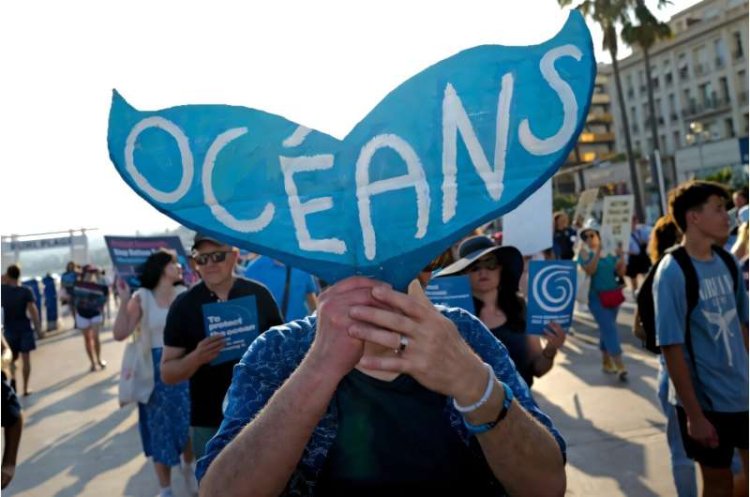
The United Nations Ocean Conference on Monday began in Nice, France, with mounting global concern over the world's oceans being on the brink. The summit has been described as an emergency reaction by hosts to the need to confront a "global emergency" and is calling governments to bring near-term action plans and finance commitments to safeguard marine species.
The high-level meeting has brought in the attendance of nearly 60 global leaders and thousands of stakeholders including scientists, business executives, and civil society. Focus is laid on the destructive activities, namely bottom trawling, reinforcing ocean protection, and addressing increasing threats of overfishing, pollution, and climate-related harm to the ocean.
Bottom trawling, in which enormous nets are dragged along the ocean floor, has come under the microscope recently amid public outcry, such as footage in one of British naturalist David Attenborough's shows. Britain will half-ban bottom trawling in half of its marine protected areas on Monday. France has also vowed to limit it, though environmental groups claim they are insufficient.
The conference is taking place at a moment when just 8% of the world's oceans are being set aside for conservation, less than half of the 30% global goal by the year 2030. There is hope, however, that Samoa just committed to setting aside 30% of its waters by establishing nine new marine parks. French negotiators have stated other countries soon will be following at the conference.
Despite increasing awareness, however, most of the ocean ecosystems remain poorly enforced or remain at risk of loose regulation, and conservation is non-existent. Money remains an effective deterrent; ocean conservation is the least funded of all 17 UN Sustainable Development Goals (SDGs). Political leaders are urged to double support and funding, especially to the poor vulnerable small island states most affected by sea-level rise, pollution, and overfishing.
Although the summit will not result in an international legally binding convention, it will be actively working to build resources and political will for ocean protection. The summit has also been considered by stakeholders as a critical moment to press for deep-sea mining stoppage negotiations, plastic pollution, and a high seas protection agreement.
France is leading the charge to shut down deep-sea mining, a contentious technique that puts at risk fragile oceanic ecosystems. The issue will once again feature at next July's International Seabed Authority conference. Meanwhile, attempts are being made to sign up international agreements on eco-destructive subsidies for fishing and conserving high seas.
Green campaigners believe the summit will turn words into actions. Although previous promises have remained largely unfollowed, the Nice summit is seen as an opportunity to break the tradition of speech over action.
The world's oceans are faced with a list of challenges such as loss of habitats, pollution from plastics, and rising sea levels. The conference will be a call by governments to step up and invest heavily in ocean preservation.
Source & Credits:
2025 AFP – Edited story from the original by Andrew Zinin
What's Your Reaction?