The United States is rolling back several environmental and drilling regulations to encourage domestic fossil fuel production, speed up project approvals and reduce compliance costs for energy companies.
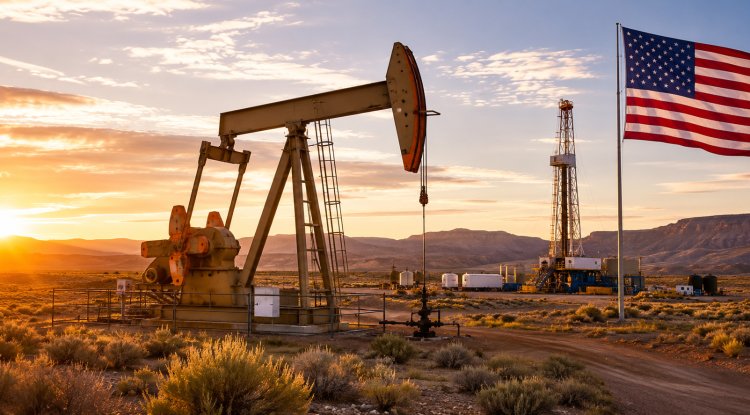
Government oversight, economic growth and environmental protection are being rebalanced within the United States public lands system. Federal regulators have announced a detailed policy package aimed at changing the economics of domestic fossil fuel operations by substantially reducing the cost and complexity of regulatory compliance for conventional energy companies. The administration has introduced several major changes to public lands drilling regulations, including a significant reduction in the financial assurances required to cover the environmental cleanup costs of abandoned oil and gas wells, according to a news report. The policy changes represent a major shift away from previous conservation-focused policies and signal a stronger emphasis on encouraging domestic energy production while reducing regulatory barriers to resource investment.
At the heart of this new regulatory approach is a significant change to the financial assurance requirements that have long been a point of disagreement between the energy industry and environmental groups. The Department of the Interior will reduce the minimum bonding requirement for oil and gas operators to $25,000 per state, down from $500,000, according to media reports. These bonds serve as a financial safeguard to ensure funds are available for the safe plugging and reclamation of abandoned oil and gas wells if an energy company becomes insolvent or ceases operations.
By reducing these requirements, the federal government aims to free up millions of dollars in capital that was previously tied up in regulatory compliance. Officials believe the move will make it easier for smaller and independent energy companies to obtain drilling and extraction rights on public lands. The previous bonding rules were introduced during the Biden administration to help ensure that environmental cleanup costs would not fall on taxpayers.
The proposed federal plan also aims to significantly accelerate the process of moving energy projects from proposal to production. Under the new guidelines, the Department of the Interior would reduce the public comment and community input period in the oil and gas permitting process from 90 days to 10 days. Administration officials have defended the faster timeline as an important step toward addressing long-standing bureaucratic delays.
In an official statement, Interior Secretary Doug Burgum pointed to extensive federal red tape that has long discouraged private investment. He said the targeted regulatory changes are intended to ensure that public lands continue to support economic activity, energy production and innovation.
At the same time, the administration's broader initiatives aim to roll back some existing regulations that were introduced to reduce the environmental impacts of fossil fuel development. The agency is moving forward with plans to ease methane monitoring and mitigation requirements for federal drilling operations and pipeline systems.
Monitoring and reducing methane emissions has long been a significant compliance cost for oil and gas companies. Methane is widely recognised by climate scientists as a powerful greenhouse gas that can escape during oil and gas production and transportation.
According to the administration, the energy industry is expected to save nearly $17 million annually in compliance costs. The proposed changes would also remove several methane mitigation requirements, reducing regulatory obligations for operators.
This significant policy change has immediately sparked a national debate on the long-term fiscal and environmental implications of public land management. Industry trade groups have enthusiastically embraced the rollbacks as a welcome contribution to domestic energy security, but conservationists cite independent studies by groups such as Resources for the Future, suggesting that the cost of plugging a single abandoned well is about $20,000. Environmental groups say a statewide bond of $25,000 is insufficient protection for the public, given the possibility that thousands of future orphan wells could be left without responsible operators if energy companies fail to meet their cleanup obligations.
The federal government is making a clear statement to global markets: the U.S. is on a path to expanding development on public lands to increase domestic fossil fuel production capacity and to shift the balance between energy development and federal environmental oversight.
What's Your Reaction?