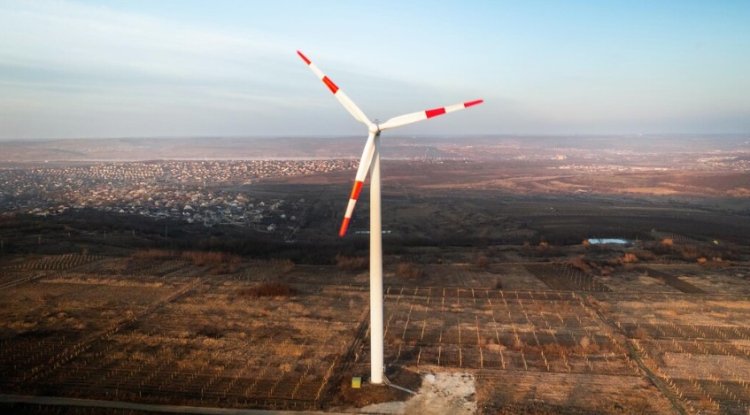
Uttarakhand has surpassed 1 gigawatt of installed solar power capacity, driven by diversified solar installations and state support schemes. This milestone marks an important step in the Himalayan state’s transition to clean energy, though challenges remain for broader rooftop solar adoption.
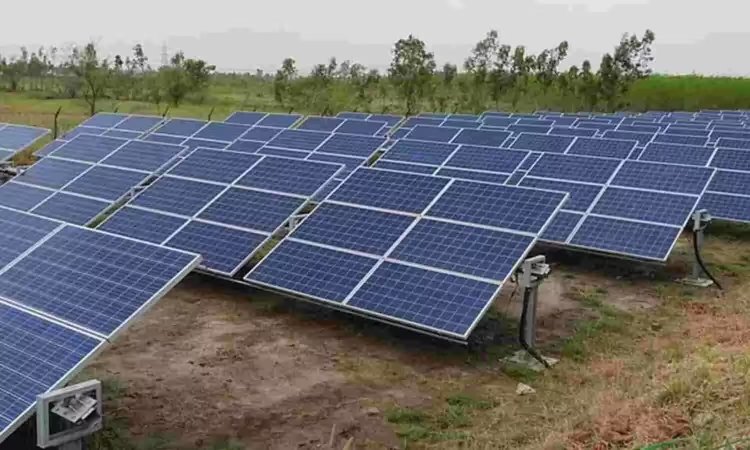
Uttarakhand’s installed solar power capacity has crossed 1 gigawatt (GW), reaching approximately 1,027.87 megawatts (MW) as of February 2026, according to official figures. The increase reflects an expansion in the state’s renewable energy capacity across multiple segments.
The development comes as part of broader national efforts to increase non-fossil fuel power generation and lower carbon intensity. While Uttarakhand has traditionally relied on hydropower, solar installations have grown in recent years through a combination of utility-scale and decentralised projects.
Ground-mounted solar plants account for a significant portion of the installed capacity. Rooftop solar systems, including residential installations supported by subsidy programmes, form another component. Agricultural solar pumps, government buildings, and commercial establishments have also added to the overall capacity.
Officials state that growth has been supported by policy measures at both the central and state levels. These include capital subsidies, approval process reforms and technical assistance for installations in remote and hilly areas. Project implementation and coordination have been overseen by the Uttarakhand Renewable Energy Development Agency (UREDA), which manages execution and district-level outreach.
State initiatives such as the Chief Minister Solar Self-Employment Scheme have enabled participation by small entrepreneurs. Farmers and homeowners have adopted rooftop systems under residential schemes, contributing to decentralised generation.
The crossing of the 1 GW mark comes as renewable capacity additions continue across India, particularly in solar and wind. The central government has set long-term targets to increase the share of non-fossil fuel sources in the energy mix. However, rooftop solar deployment has progressed unevenly in some states due to financing constraints, grid integration issues and administrative delays.
Energy sector observers indicate that future expansion will depend on continued investment, grid upgrades and policy stability. In a geographically complex state such as Uttarakhand, decentralised solar systems may remain one of the primary pathways for further capacity addition.
The latest figures place Uttarakhand within the wider national transition toward renewable energy, with subsequent growth likely to depend on addressing structural and implementation challenges.
What's Your Reaction?