A new study analysing 40,000 migration cases in Somalia finds that water scarcity linked to drought and food insecurity is a major driver of displacement, highlighting the growing connection between climate stress and human mobility.

Water scarcity—especially when it affects food production and livestock—has emerged as one of the most significant drivers of migration in Somalia, according to a recent analysis examining tens of thousands of displacement cases. Researchers say the findings illustrate how environmental pressures and livelihood losses are increasingly shaping migration patterns in vulnerable regions.
The study analysed around 40,000 documented cases of environmental migration across Somalia and found that most movements were linked to regions experiencing drought, food insecurity and insufficient water for agriculture. The researchers concluded that water scarcity plays a central role in triggering displacement within the country.
Evidence from thousands of migration cases
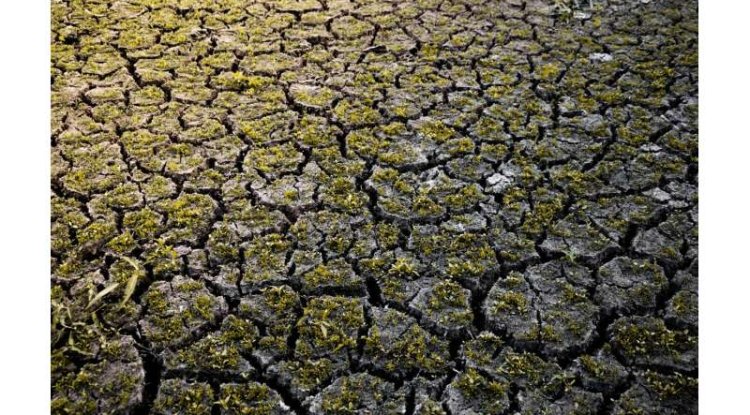
The research used geospatial analysis, demographic surveys and field observations to examine environmental conditions in areas where migrants originated. The study found that between 76% and 91% of environmental migrants came from locations experiencing drought, agricultural water shortages and food insecurity at the same time.
These areas indicate a clear link between environmental stress and migration. Reduced rainfall and declining water availability affect crop production and livestock survival, weakening rural livelihoods and increasing pressure on households to relocate.
Many communities in Somalia rely on agropastoralism, which combines crop farming with livestock rearing as a primary source of income and food. Because this livelihood system depends heavily on seasonal rainfall, prolonged droughts disrupt production and reduce household income, often leading families to move in search of work, food assistance or basic services.
Climate pressures and fragile livelihoods
Somalia has experienced repeated hydroclimatic shocks in recent years, including several failed rainy seasons and extended drought periods. These conditions have reduced agricultural productivity and increased food insecurity in many rural areas.
Humanitarian assessments indicate that millions of people in Somalia face severe hunger linked to drought and economic disruptions. Children remain among the most vulnerable groups, with many at risk of acute malnutrition.
Environmental stress does not automatically result in migration, but it can intensify existing economic and social vulnerabilities. In areas where households already have limited resources, declining rainfall or reduced water availability can make it difficult to sustain livelihoods.
The study found that migration decisions are influenced by several factors, including economic opportunities, conflict, access to aid and social networks. However, the analysis shows that environmental pressures—particularly water scarcity affecting agriculture—are consistently associated with migration patterns in Somalia.
Mostly internal migration
Most displacement related to environmental pressures in Somalia occurs within the country rather than across international borders. Many people move from rural areas to nearby towns or cities where they may find temporary employment, humanitarian assistance or more reliable access to water.
Cities such as Mogadishu have received large numbers of internally displaced people during drought periods. Rapid population inflows can place additional strain on housing, infrastructure and public services in urban areas.
The findings contribute to wider research examining how climate variability influences migration patterns across parts of Africa. In agricultural regions that depend on rainfall, changes in precipitation levels can directly affect household decisions about mobility.
Implications for policy and adaptation
The study emphasises the importance of strengthening water management and agricultural resilience in drought-affected regions. Expanding irrigation, improving water storage and promoting climate-resilient farming practices may help reduce displacement by supporting rural livelihoods.
At the same time, migration can also function as a coping strategy. In some cases, temporary relocation allows households to access income or resources that help support family members who remain in rural areas.
The analysis highlights the relationship between environmental change and migration in Somalia. While conflict, poverty and governance challenges continue to influence displacement, water scarcity and climate stress are playing an increasing role in shaping migration patterns in the Horn of Africa.
What's Your Reaction?