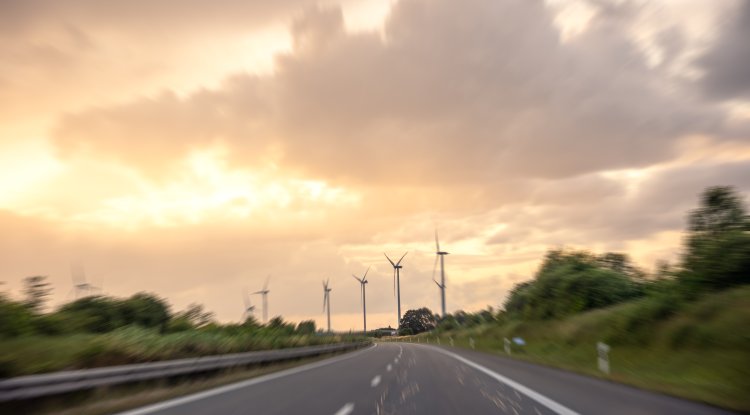
Wind and solar produced more electricity than fossil fuels across the EU last year, marking a major shift in the energy mix.
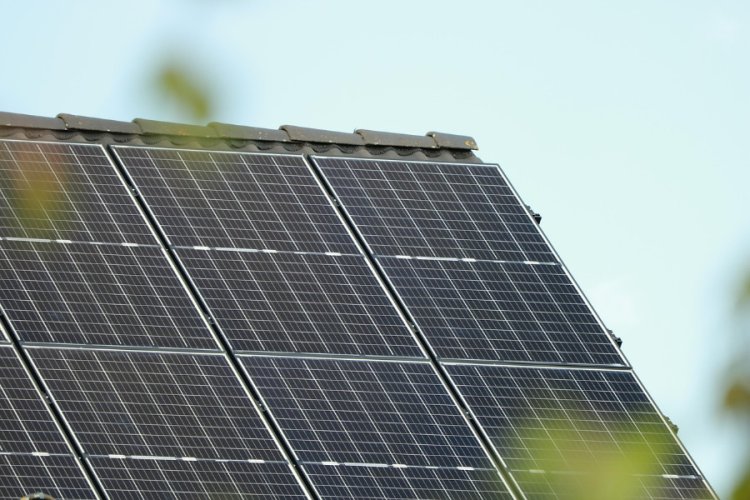
Wind and solar produced more electricity than fossil fuels in the European Union last year, the latest sign of progress in the region’s energy transition, according to a Reuters news report. Statistics reveal a rising share of renewables in electricity generation, while policies, investments, and demand shifting away from fossil fuel electricity generation contribute to an overall decline in fossil fuel generation.
Wind and solar generated 30 per cent of the European Union's electricity in 2025, just one per cent above the 29 per cent supplied by fossil fuel power plants running on coal, gas and occasionally oil, according to data from energy think-tank Ember, the agency reported.
Fossil fuel production continued to decline, primarily due to lower coal consumption and reduced gas-fired power generation across a number of member states.
The decrease in fossil fuels has been attributed in part to the increases in renewable energy capacity, the energy efficiency measures, and decreased electricity demand in some nations. The growing prevalence of wind turbines and solar panels over the years has led to renewables becoming a major source for electricity in the bloc.
Impact of Wind and Solar Growth
Wind remained a dominant source of renewable electricity, bolstered by robust onshore capacity and early-stage growth of offshore installations. Several EU member states demonstrated record wind generation in the year, taking advantage of strong biomass availability and expanding infrastructure.
Solar energy also experienced considerable expansion with new capacity being installed quickly in many member states. Rooftop solar, utility-scale projects and enabling policy frameworks all drove solar to a record-breaking year, especially in the summer months, when electricity consumption tends to be higher.
Wind and solar, in particular, made up a sizable share of total electricity generation, displacing fossil fuels and curbing power sector emissions.
Fossil Fuel Electricity Generation Down 55% Over the Last Decade
The coal-fired power production has kept declining in the long term, with several EU member states closing coal plants or running them under limited capacity. Generation from gas also declined, due to high fuel prices in past years, more efficient use of energy and competition from cheaper renewable options.
The diminishing importance of fossil fuels, in turn, led to a reduction in power sector emissions overall. Generation of electricity has consistently been among the fastest decarbonising aspects of the EU economy, driven by renewable energy targets and emissions regulations. Fossil fuels are still needed to help balance the electricity system, particularly when renewable output is low or demand is high despite the overall decrease. But they continue to lose market share in the energy mix.
Differences Across EU Member States
The transition was not made with the same pace across the EU, as some member states lagged due to geography, policy and already installed infrastructure. Countries with abundant wind resources or solar potential witnessed stronger expansion of renewable generation, but some still rely on fossil fuels. A few member states achieved particularly high levels of wind and solar in their electricity mixes, while others made slower progress. Grid capacity, planning regimes and investor confidence all affect the rate of renewables deployment in the system.
On the whole, the data points to a general shift toward cleaner electricity generation despite the fact that national energy mixes remain diverse.
Implications for Climate and Energy Policy
This milestone is significant for the EU’s climate objectives, which include binding targets to cut greenhouse gas emissions and boost renewable energy usage. Power sector decarbonisation is key to achieving these goals, as well as facilitating the broader electrification of transport, heating and industry.
Reduced fossil fuel usage during electricity production also promotes energy security as a result of less reliance on imported fuels. This is what has become more important as the geopolitical tensions and the global energy market continues to rock. Continued investment in renewables, grid modernization and energy storage will be essential to continue to make progress and ensure system reliability as fossil fuel generation declines."
Prospects for the EU Energy Transition
Meanwhile, analysts see wind and solar generation continuing to rise as more projects come online and technology costs drop further. Policy frameworks at EU and national levels will presumably allow for further growth, while challenges will probably remain in the area of permission, grid integration, and matching supply and demand.
The move towards renewables in power generation has been heralded as the route to decarbonising other sectors across the EU economy. With increasing levels of wind and solar generation, the share of fossil fuels could shrink even more, transforming the region’s energy system in the next decade. These new data reinforce that the EU’s electricity transition is well underway – and that renewables are at the forefront for powering the region.
What's Your Reaction?