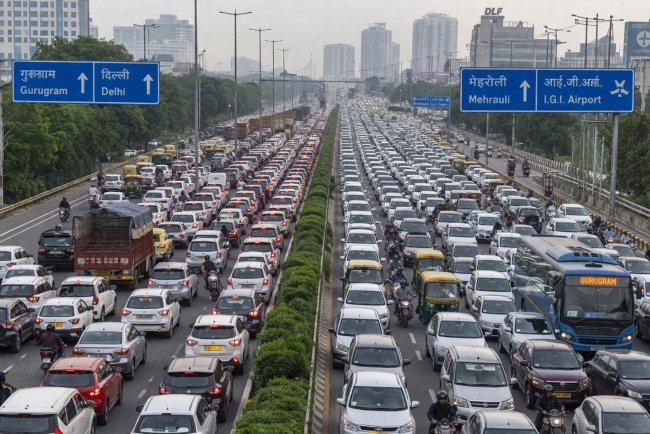
The World Meteorological Organization says a strong El Niño is developing in the equatorial Pacific, with higher global temperatures and shifts in weather patterns forecast through 2026.
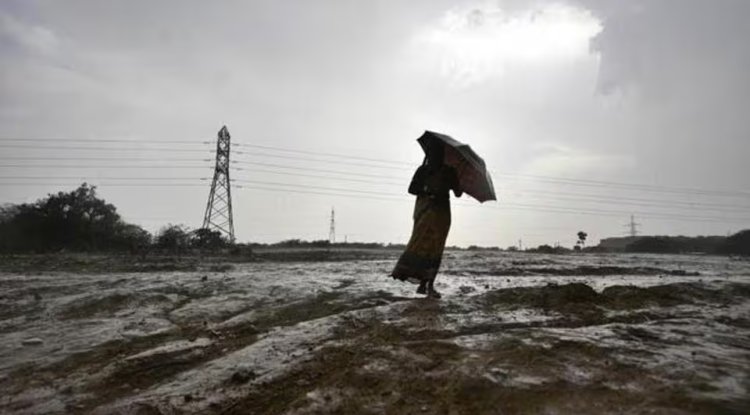
The World Meteorological Organization has upgraded its outlook for El Niño, saying the weather pattern now developing in the equatorial Pacific looks set to be a strong one. The revision comes after updated models showed forecasters growing more confident that a powerful event is taking shape, a step up from the moderate-to-strong outlook the agency gave back in early June.
Officials say the latest data backs up the case for strong El Niño conditions, though they're leaving room to revise things further if summer observations point toward something even more intense.
"El Niño conditions have emerged in the Equatorial Pacific, and there is a remarkable agreement between forecast models that this will be a strong El Niño," said Alvaro Silva, a scientist with the WMO.
El Niño shows up as unusually warm surface waters across the central and eastern Pacific, and it typically sticks around for nine to twelve months, reshaping rainfall and temperature patterns across much of the globe as it goes.
The WMO's seasonal outlook points to drier-than-usual weather ahead for parts of Central America, the Caribbean, and North and South America. Indonesia, Southeast Asia, and pockets of South Asia could see similar dry spells during their monsoon season.
Silva noted that the stronger an El Niño gets, the higher the odds of extreme weather turning up somewhere in the world — and historically, El Niño years have often lined up with record-breaking global temperatures.
The agency expects the effects to linger into 2027, though how hard any given region gets hit will vary quite a bit.
This update lands not long after a punishing heat wave swept across Europe from June 20 to 28, one that scientists say strained power grids, damaged infrastructure, and pushed hospitals to their limits — and one they largely trace back to human-caused climate change.
The WMO says it'll keep watching conditions in the equatorial Pacific closely as new data comes in.
What's Your Reaction?