World’s Most Remote EV Charger Installed on St. Helena Island
St. Helena, one of the world’s most remote islands, has installed the world’s most isolated EV charger as part of its shift to clean energy. The project demonstrates the feasibility of sustainable transport even in isolated locations.
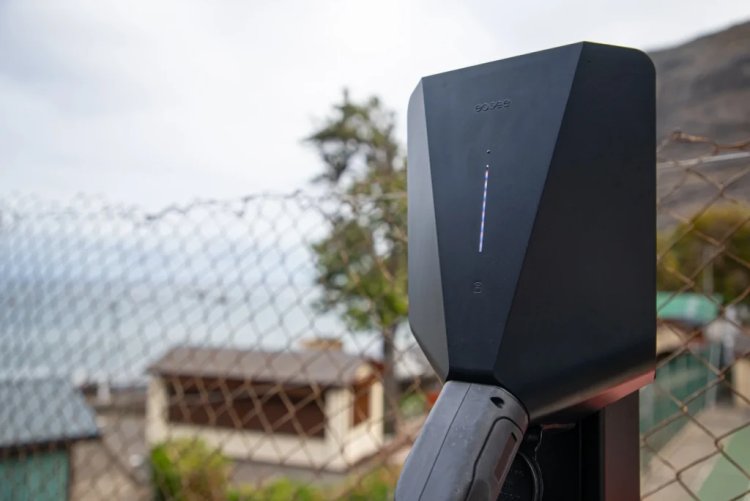
The small island of St. Helena, located almost 2,000 kilometres off the west coast of Africa, has set up what is known as the world's most isolated electric vehicle (EV) charger. The charging point in Jamestown, the capital town, marks an important milestone for St. Helena to be less dependent on fossil fuels and become more cleaner and greener in transport.
The charging point is a collaboration between Norwegian charging technology firm Easee and Japanese carmaker Subaru. The remote location is a real-world test bed for practical purposes for both firms. The remoteness itself acts as a stress test of Easee's systems and connectivity to data, providing a source of future lessons learned for harder-to-reach locations globally, Easee states.
While penetration of EVs on the island is still low, the step forms part of a bigger government initiative to provide electric mobility at more affordable prices. Import taxes on EVs already plummeted, and additional subsidies like reduced registration fees and designated parking lots are in the offing. These initiatives aim to spur residents to use electric vehicles as opposed to fuel-driven cars.
The short-term benefits in electric cars on the island are already real. Tara Wortley, a business owner resident, has reduced her daily fuel expenses from £8 to only £0.17 since making the move to an EV. Her story has roused interest with other business owners now looking to switch fleets.
The installation of charging stations has also generated new ventures. Local business owner Derek Pedley is establishing an electric vehicle rental fleet that will hit the roads early in 2025, serving locals and tourists alike. His initial fleet consists of ten EVs, but he will be adding more depending on demand. Having access to a reliable charger in Jamestown is the key to his strategy, addressing issues of car range and availability of charging points.
The need for St. Helena to change is apparent. The island imports £5 million worth of fossil fuels, consuming 6,000 litres of diesel a day. This reliance on importation takes a heavy toll on the island's relatively modest annual spending budget of £34 million that is provided primarily from the UK. Authorities estimate a change to EVs could cut diesel imports by as much as 30% within five years with substantial economic benefits.
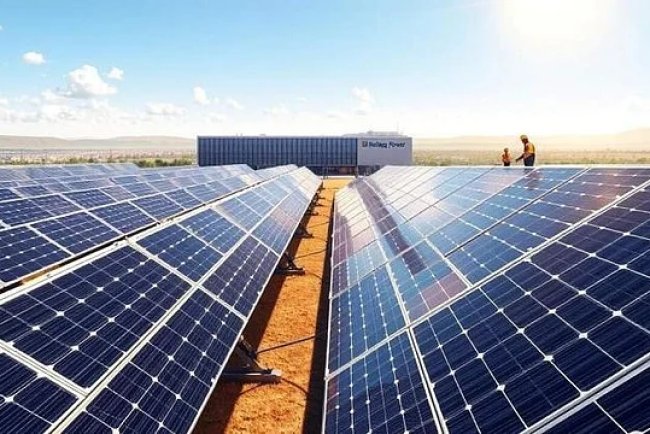
Mark Brooks, Economic Development and Treasury Minister of St. Helena, views St. Helena's natural advantage to be its equatorial location. St. Helena is already on the path to renewable energy with 25% of power being generated from renewables. Growth in solar power and wind energy is on the cards, and the government plans to take this to 80% within four years and become fully dependent on renewables in the long run.
Subaru UK managing director Lorraine Bishton stated that the project was assisting in dispelling myths about electric vehicles. EVs are commonly viewed as suitable for city centers, but that the fact that their application has been successful in a location as isolated as St. Helena demonstrates that they can also be utilized in rural and off-grid locations. She opines that St. Helena will serve as an example for other far-flung and small communities to embrace green living.
The charger, small as it is in physical terms, is already affecting things. It is not just functioning and ready, it is also an indicator of commitment to change. To many locals, it is a sign that attitudes are shifting—away from skepticism regarding EV feasibility and towards understanding that green transport is possible and preferable.
The government is also trying to create long-term economic and environmental awareness. Local schools are also adding sustainable transport to their curriculum, exposing future generations to the need to leave behind fossil fuels.
In the coming years, officials envision strong growth in the island's electric vehicle market. Pedley is confident that within five years, there could be hundreds of electric cars on the island's roads, along with a wider charging network and improved home-charging technology. The government is considering expanding the charging network to wider areas of the island's rural and hill regions.
St. Helena is an unusual case—but it has far-reaching implications. As demand for EV adoption builds worldwide, St. Helena shows that even the remotest of locations can get clean energy technology to work with the right policy support, international cooperation, and public support.
By putting the world's most isolated EV charger in place, St. Helena is not simply getting cars on the road—it's powering a movement towards sustainable living in one of the most far-flung regions of the world.
Source & Credits:
Initially published by Grant Brown, July 15, 2025. Image credit: Easee through company website.
What's Your Reaction?