ACEN Acquires Stake in 1-GW Camarines Sur Wind Project in Philippines
ACEN Corp acquires a 25% stake in a 1-GW offshore wind project in Camarines Sur, boosting the Philippines’ renewable energy ambitions.Learn how ACEN’s investment in the 1-GW Camarines Sur offshore wind project supports the Philippines’ clean energy goals, creating jobs and cutting emissions.
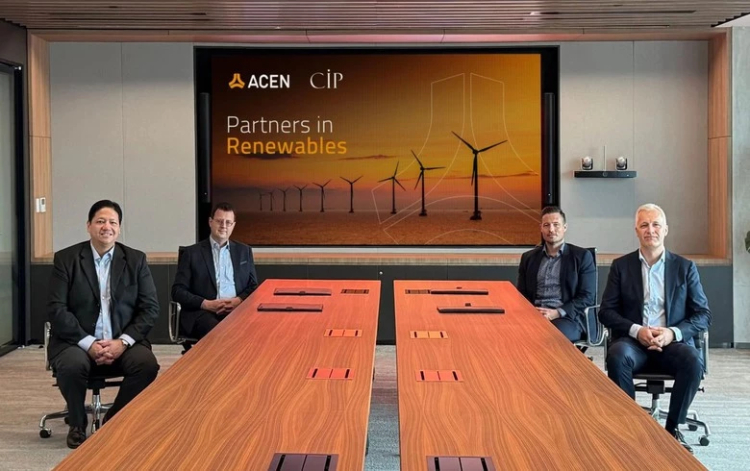
ACEN Corp, the renewable energy arm of the Philippines’ Ayala Group, has acquired a 25% stake in Copenhagen Infrastructure Partners’ (CIP) 1-GW offshore wind project in Camarines Sur. This deal strengthens the Philippines’ renewable energy ambitions. This article examines the project’s scope, economic impacts, and environmental benefits.
The Camarines Sur offshore wind project, located off the coast of the Bicol Region, has a potential capacity of 1 GW, making it one of the largest renewable energy initiatives in the Philippines. ACEN’s 25% stake, acquired from CIP, leverages the latter’s expertise in offshore wind development across Europe and Asia. The project is part of the Philippines’ goal to reach 35% renewable energy by 2030.
Offshore wind offers significant advantages in the Philippines, an archipelago with limited land for large-scale projects. The project will use advanced turbine technology to harness consistent coastal winds, delivering clean energy to the national grid. It aligns with ACEN’s broader portfolio, which includes 4 GW of renewable capacity across solar, wind, and storage.
Economic benefits are substantial. The project will create over 1,000 jobs during construction and operation, boosting local economies in Camarines Sur. It will also support ancillary industries, such as port infrastructure and supply chain logistics. ACEN’s involvement in projects like the St Francis Shangri-La Place clean power supply demonstrates its commitment to local development.
Environmental impacts are positive. The 1-GW capacity could reduce CO2 emissions by 1.2 million tonnes annually, equivalent to removing 250,000 cars from the road. Offshore wind minimizes land use conflicts, preserving terrestrial ecosystems. The project also supports marine biodiversity through careful site selection and environmental monitoring.
Challenges include high upfront costs and technical complexities. Offshore wind projects require significant investment in turbines, subsea cables, and grid connections. Typhoon-prone regions like Camarines Sur demand robust engineering to ensure resilience. ACEN and CIP are collaborating with global experts to address these issues.
Community engagement is critical. Local consultations with fishermen and coastal communities aim to mitigate concerns about marine impacts. Training programs will equip workers with skills for offshore wind operations, fostering economic inclusion. Public awareness campaigns highlight the project’s role in energy security and climate action.
Globally, the project aligns with trends in Asia, where offshore wind capacity is projected to reach 100 GW by 2030. Partnerships like ACEN-CIP could position the Philippines as a regional leader in offshore wind. International financing, including from green bonds, will be key to scaling such projects.
Long-term success requires policy support. The Philippines’ renewable energy roadmap includes streamlined permitting and incentives for offshore wind. Monitoring systems will track energy output and environmental impacts, ensuring transparency. Collaboration with research institutions will drive technological advancements in turbine efficiency.
Conclusion
ACEN’s investment in the 1-GW Camarines Sur wind project is a milestone for the Philippines’ renewable energy transition. By addressing technical and community challenges, it supports economic growth and environmental sustainability. Continued collaboration and policy support will ensure its success, advancing the country’s clean energy future.
Source:RenewablesNow
What's Your Reaction?