Canada’s 2025 wildfires have spread into new, previously safe regions, destroying millions of acres and worsening the climate crisis.
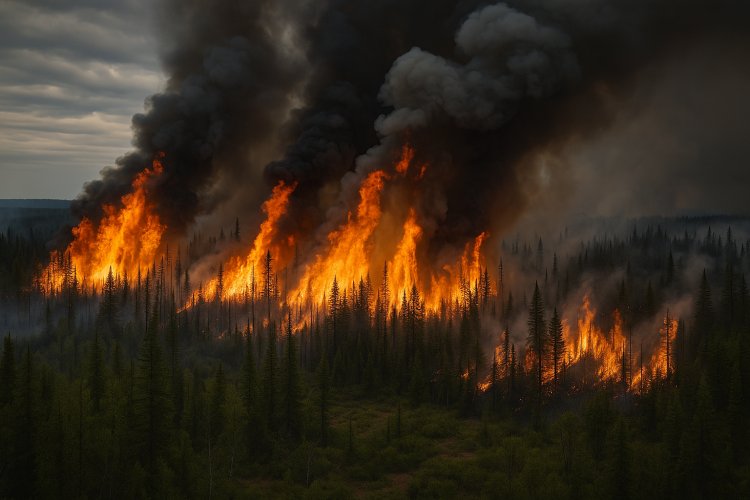
Canada is experiencing another tough wildfire year, but what's so concerning about 2025 is that wildfires are now raging in regions where wildfires were virtually unknown previously. This demonstrates how rapidly climate change is changing weather and fire conditions nationwide.
Historically, most Canada's wildfires were found in the west and north, specifically in British Columbia, Alberta, and the Northwest Territories. This year, however, new fires have been seen in areas which had never seen such catastrophes before. Authorities state that drier, warmer weather, along with fierce gusts of wind, have rendered even these traditionally safe regions extremely susceptible. To date in 2025, almost 7.5 million hectares (approximately 18.5 million acres) of terrain have burned well more than the average. Saskatchewan and Manitoba alone are responsible for well over 60% of the overall area consumed by fire.
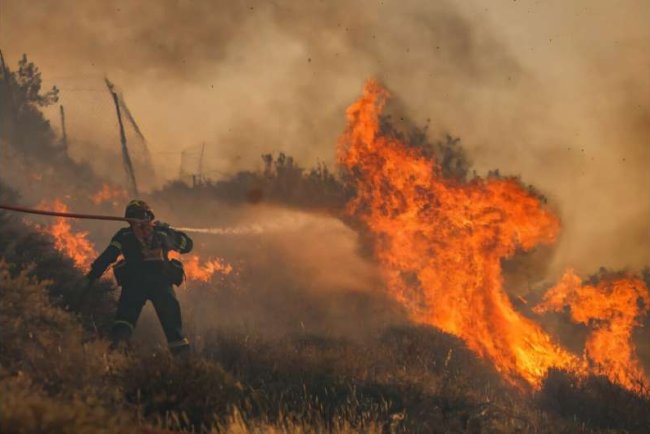
The once "out of fire zones" communities now sit on high alert. People have had to evacuate their homes, and fire crews are running thin while they attempt to patrol a significantly larger area than normal. Leaders are cautioning that infrastructure, farmland, and wildlife habitats are being seriously threatened.
Why is this happening?
The Canadian government has given more money and sent extra firefighters to help, but experts says that this is not enough. Without long term solution and action against climate change, wildfires will keep spreading to those areas which are “out of fire zones”.
Air quality has also worsened in most of the areas due to thick smoke, posing higher health risks to children, the aged, and those with respiratory conditions. Individuals in the affected regions have been advised to stay indoors, wear masks where needed, and follow evacuation orders to the letter.
This new wave of wildfires is a warning that Canada's climate emergency is speeding up, importing fire into territories that had seemed secure. Specialists emphasize the imperative for sterner fire prevention tactics and international action to throttle climate change.
What's Your Reaction?