Climate Change Drives Sharp Rise in Global Forest Fires
Data from 2024 shows wildfires caused by climate change led to a global forest loss of 30 million hectares, with Brazil, Bolivia, and the DRC among the worst hit. Fires have now overtaken agriculture as the main driver of deforestation.
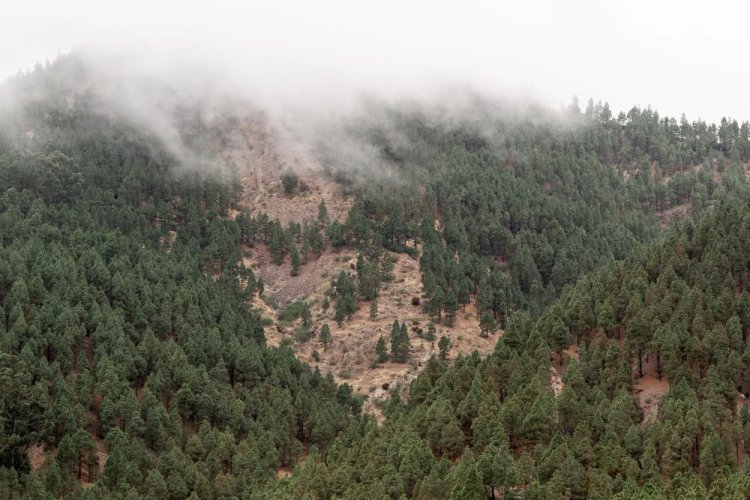
It was in 2024 that wildfire due to climate change contributed to a greater percentage of global forest loss than agriculture for the first time, breaking the mold. New figures from the World Resources Institute (WRI) and the University of Maryland show 6.7 million hectares of tropical primary forest were lost last year—double the amount destroyed in 2023. This rapid acceleration is a chilling indication of a new trend in global deforestation, directly attributable to rising global warming, rising droughts, and active fires.
Brazil lost the biggest expanse of forests in the whole globe and accounted for 42% of overall tropical forest loss. Brazil experienced its driest year on record, and it led to widespread wildfires that outpaced attempts to fight them. This is particularly concerning since Brazil is hosting COP30 this year, a conference committed to stepping up climate action globally. The case does spotlight the issue of how to balance climate commitments with ground realities, especially when existing policies are undermined by environmental challenges and enforcement loopholes.
Bolivia came second with a 200% increase in deforestation from previous years. Runaway fires were the cause, with serious impacts on Bolivia's comparatively small forest cover. Democratic Republic of Congo came in third with a 150% increase in loss of forests. The two nations had varying ecological and governance structures but shared the same problem: runaway fires and insufficient funds to address land degradation.
Notably, the Russia and Canadian temperate zones' boreal forests also recorded increased incidence of fires. While the forests naturally resisted fires, the contemporary ferocity of fires and frequency have exceeded the historical past, decreasing the intensity of the ecosystems' recovery ability. This is proof that fire regimes caused by climate change no longer confine to the tropics but now spillover into temperate as well as boreal regions as well. The world's overall loss of forest cover in 2024 was 30 million hectares, the equivalent of the country of Italy.
These numbers paint a grim picture, especially as contrasted with global climate pledges. In 2021, nations as a whole promised to end deforestation by 2030. Yet on the ground, 17 of the top 20 countries by size of tropical forest area are losing more forest cover than when they made the pledge. This gap between pledge and performance requires stronger global agreements and firmer domestic policies.
Despite the catastrophic losses, there are nations that have improved. Indonesia experienced a 11% decline as a result of increased fire protection measures and reclaimed lands. Malaysia also recorded a 13% decline and fell off the list of top 10 nations with the greatest deforestation. Such gains validate the effectiveness of specific policies, increased enforcement, and community involvement in the management of forests.
In Bolivia, the Charagua Lyambae protected area showed that local government and early warning systems can be employed to avert forest fires. While Bolivia did experience total forest loss, this project proved that intervention at the local level can harvest a difference if backed by regulation and surveillance. Such scenarios justify calls for greater funding in Indigenous-controlled conservation and decentralised land management practices.
With increasing climatic pressure, the ability of the world's forests to recycle and renew themselves is under test. Fire cycles are repeatedly breaking natural regrowth cycles, shifted rain regimes, and prolonged droughts. These disruptions weaken long-term forest health, which the world needs for carbon storage and the maintenance of biodiversity.
The data demonstrate not just that climate change accelerates deforestation but also reshapes its drivers. Whereas for decades agriculture has represented the lead cause of forest clearing, fire is now the agent of nearly half of all deforestation. This reshaping calls for a corresponding adaptive shift in forest conservation policies. Countries must seek to prevent fire as well as manage land use transformation and illegal logging.
Tighter land-use controls, better enforcement, and sustained investment in forest protection are needed to stem this tide. Global funding mechanisms such as REDD+ and climate change adaptation programs must be directed towards high-risk regions and benefit community forestry management. Improved international coordination and tracking mechanisms must be developed to hold deforestation pledges accountable.
While fires are re-drawing forest trends globally, it is clear that forest protection and climate mitigation need to be addressed hand in hand. Forests are not only casualties of climate change but also integral parts of climate solutions. Inaction will see the window for defending and restoring key forest ecosystems continue to close.
Source: euronews
What's Your Reaction?