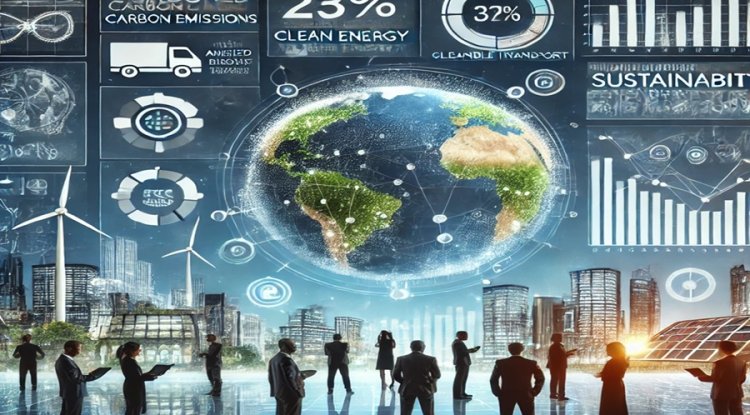
A new study finds that prioritising deeper emissions cuts over large-scale carbon removal could prevent up to 33,000 premature deaths annually in the US while reducing climate and air pollution impacts.

The emphasis on reducing greenhouse gas emissions rather than investing heavily in carbon capture would save more than 33,000 lives annually in the U.S., according to a new report published by scientists at the University of Wisconsin-Madison. This is because cutting down greenhouse gases from the sources also helps in cutting down pollution caused by them, resulting in better health effects.
The study evaluated various options that can achieve the climate goals and found that approaches emphasizing reductions of emissions have much better health impacts than relying mainly on capturing carbon dioxide from the atmosphere. Although carbon capture can balance out some hard-to-reduce emissions, it doesn't reduce pollution formed as fossil fuels are combusted, which includes particulate matter and nitrogen oxides.
Emissions reductions from electricity, transportation, and industrial sources will result in reductions of both carbon dioxide and air pollution simultaneously. The scientists indicated that cleaner air will prevent respiratory illnesses, heart diseases, and deaths among the population even long before the long-term climate goals are met.
Scientists also considered the use of advanced technologies such as carbon capture from the air, carbon storage and sequestration, which have the ability to remove carbon dioxide from the atmosphere but will not solve the problem of pollution that occurs when burning fossil fuels. Therefore, even if such carbon capture processes become widespread, the problems of the negative impact of air pollution on people's health will persist.
It was noted by the scientists that the technologies of removing carbon are still important to reach net zero emissions of greenhouse gases. At the same time, they should be additional to the reduction of emissions from sources of air pollution.
The findings reinforce evidence that climate action can deliver immediate public health gains. Measures that reduce fossil fuel use can improve air quality while lowering greenhouse gas emissions, producing benefits that extend beyond climate mitigation.
According to the researchers, choices made today on climate policy will affect both future warming and public health. They conclude that reducing emissions at the source offers the greatest combined benefits for cleaner air, lower mortality, and long-term climate goals.
What's Your Reaction?