Dal Lake and hundreds of other lakes in Kashmir are shrinking due to pollution, climate change, and unplanned development, threatening biodiversity, livelihoods, and tourism.
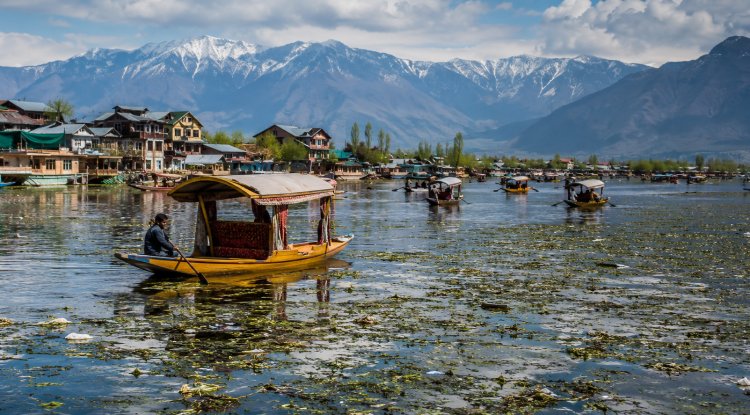
Each morning, the narrow wooden boats (shikaras) glide across the large Dal Lake, surrounded by the mountains of the Himalayas, in a seemingly endless scene in Srinagar. However, behind the postcard-pretty facade, one of South Asia's most iconic lakes is facing a serious threat.
The survival of Dal Lake and hundreds of lakes in Indian-occupied Kashmir is in danger due to pollution caused by local buildings, non-native plants, and falling water levels partly due to climate change. Local government workers need to take constant care not to get skin irritation from the polluted waters while removing weeds.
Weed cleaner Ghulam Rasool, who works for the local government, said they are scared of touching the water with their hands, so when they need to clean something by hand, they wear gloves because their hands develop allergic reactions easily.
Located in Srinagar, the most populated city in Kashmir, Dal Lake is one of the few lakes that have been given consistent protection by the people. The situation is much worse in the rest of the area.
According to officials, out of 697 natural lakes in Kashmir, 315 have vanished and 203 have reduced in size since 1967. Today, hundreds of these have been lost to shallow marshes, seasonal wetlands, or to farmland and unplanned development.
The effects are widespread even outside ecology. The lives of the people who earn their living from these water bodies are badly affected, along with the tourism industry that depends heavily on Kashmir's picturesque water bodies.
Climate change-related heat stress, pollution levels spiralling out of control, and the rapidly developing and unplanned urban sprawl are stressing these fragile ecosystems to the breaking point. If these lakes continue to slowly disappear without any serious intervention efforts and environmental protection, Kashmir's identity, economy, and biodiversity will end up facing a serious crisis.
What's Your Reaction?