Work on the 2,880 MW Dibang hydropower project in Arunachal Pradesh marked a key milestone with the daylighting of Diversion Tunnel-3, advancing river diversion efforts and maintaining progress on one of India’s largest hydropower initiatives.
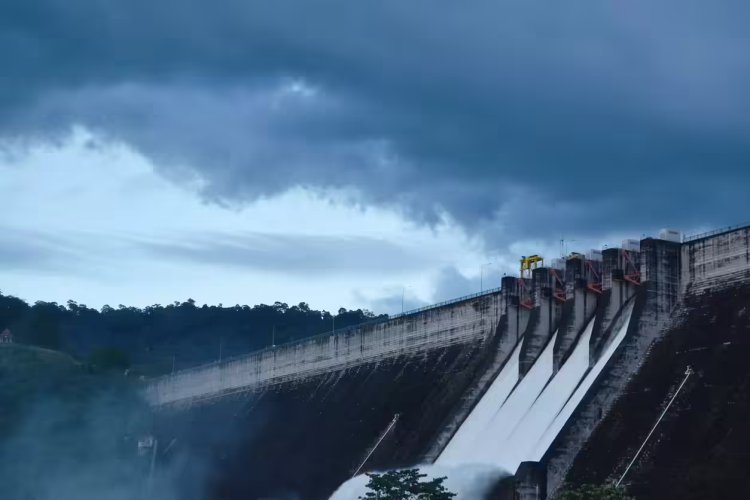
ITANAGAR — Work on the 2,880-megawatt Dibang hydropower project in Arunachal Pradesh reached a significant construction milestone with the successful daylighting of Diversion Tunnel-3 (DT-3), officials said on Wednesday. The breakthrough advances one of the most critical early stages in the project’s execution and sets the stage for further river diversion works.
The final blast to open DT-3 was initiated on Tuesday by Sanjay Kumar Singh, Director (Projects) at NHPC Limited, the state-owned developer overseeing the scheme. Tunnel daylighting refers to completing excavation so that the tunnel emerges into daylight — an essential step before river diversion and subsequent dam construction can proceed.
The Dibang project, being built on the Dibang River in the Lower Dibang Valley district, is one of India’s largest hydropower initiatives underway. Once completed, it will have an installed capacity of 2,880 MW delivered through 12 generating units of 240 MW each.
NHPC officials said the tunnel breakthrough reflects steady progress on core civil works that must be finished before major dam-related construction can begin. They noted that exposure of DT-3 will allow smoother management of river flows in the coming phases.
Construction of the project has been underway for several years amid challenges that include terrain constraints and complex engineering requirements. Completion timelines have shifted in the past, but officials have reiterated that progress on diversion works is critical to meeting broader project schedules.
Once fully operational, the hydroelectric plant is projected to generate over 11,000 million units of electricity annually. In addition to power production, it is expected to play a role in flood moderation and regulated water storage in the Brahmaputra basin — conditions that regional authorities say could help reduce extreme flood events downstream.
Energy planners and state officials have long viewed the Dibang scheme as part of broader efforts to expand India’s renewable energy capacity and shore up power supply in the northeast. Environmental groups and local communities have periodically raised concerns about displacement and ecological impact, issues that continue to shadow large dam projects nationally.
The project remains a key component of India’s hydropower portfolio, with its size and scope unmatched by most other hydroelectric developments currently under construction in the country.
What's Your Reaction?